
Skin Care for Men: A Simple Daily Routine

For many men, skin care means a bar of soap, a quick shave and whatever is in the bathroom cabinet. That is a start, but a little more structure goes a long way, especially with Lucknow’s sun, dust and daily rides under a helmet. Good skin care for men does not need a shelf of products: three daily steps cover most needs, and better shaving habits handle most of the rest.
This article sets out a simple routine, how to shave with less irritation, what to do about razor bumps, how to look after beard skin, oil and tan, where a clinic facial fits, and the signs that need a doctor.
Skin care for men starts with three steps
Cleanse. Wash your face in the morning, at night and after heavy sweating, using a gentle, alcohol-free cleanser, lukewarm water and your fingertips rather than a scrub. The American Academy of Dermatology notes that sweat under a hat or helmet irritates the skin, so wash as soon as you can after a long ride.
Moisturise. Apply a moisturiser after washing if your skin feels dry or tight. Oily skin usually does well with a light, non-comedogenic gel, while drier skin may need a cream, especially in winter. The guide to choosing a moisturiser for winter explains textures and ingredients.
Protect. Sunscreen is the step most men skip and the one that does the most over the years. The Academy calls it the closest thing we have to a fountain of youth, because it slows skin ageing and helps prevent skin cancer. Use a broad-spectrum, water-resistant sunscreen of SPF 30 or higher on your face, ears and neck every day, and reapply about every two hours outdoors.
How to shave with less irritation
Most shaving rash comes from technique rather than the razor. The American Academy of Dermatology and the NHS give similar advice:
- Shave after a shower, or at least wet your skin and beard with warm water first, so the hair softens.
- Use a shaving cream or gel, and choose one labelled for sensitive skin if yours is dry or reactive.
- Shave in the direction the hair grows, with as few strokes as possible, rinsing the blade after each one.
- Change the blade, or throw away a disposable razor, after five to seven shaves, and let it dry between uses rather than leaving it in the shower.
- Hold a cool, wet cloth to your skin afterwards to calm it, then moisturise.
If you have acne, shave lightly with a sharp blade, never try to shave a spot off, and see whether an electric or a disposable razor suits you better.
Razor bumps and ingrown hairs
Razor bumps are small, itchy or tender spots that appear when a cut hair curls back into the skin. DermNet notes they are most common under the jawline, where hairs grow in several directions, and more likely with coarse or curly hair and darker skin. Irritated follicles can become infected, and the bumps can leave dark marks or, occasionally, scars.
The NHS advises against shaving too close or every day, if you can avoid it. Leaving a little stubble helps, as does not stretching the skin while you shave. A gentle exfoliating product can help free trapped hairs, and an electric razor is often kinder than a blade. Do not pick or squeeze the bumps.
When bumps keep coming back despite good technique, both the NHS and DermNet mention laser hair removal as a longer-term option. At Amber, laser hair reduction uses an Nd:YAG laser suited to Indian skin, as a course of six to eight sessions four to six weeks apart, after the doctor has assessed your skin and hair.
BUMPS THAT KEEP COMING BACKTell us what you have tried so far. We can explain how the doctor assesses razor bumps, oil and tan at Amber.
Beard skin, oil and tan
A beard needs the skin underneath looked after too. Wash it with the same gentle cleanser, rinse well and moisturise the skin beneath. Flaking, redness or itching under a beard is often seborrhoeic dermatitis, a common form of eczema in oily areas that tends to flare in winter. A doctor can confirm it and suggest a suitable medicated wash.
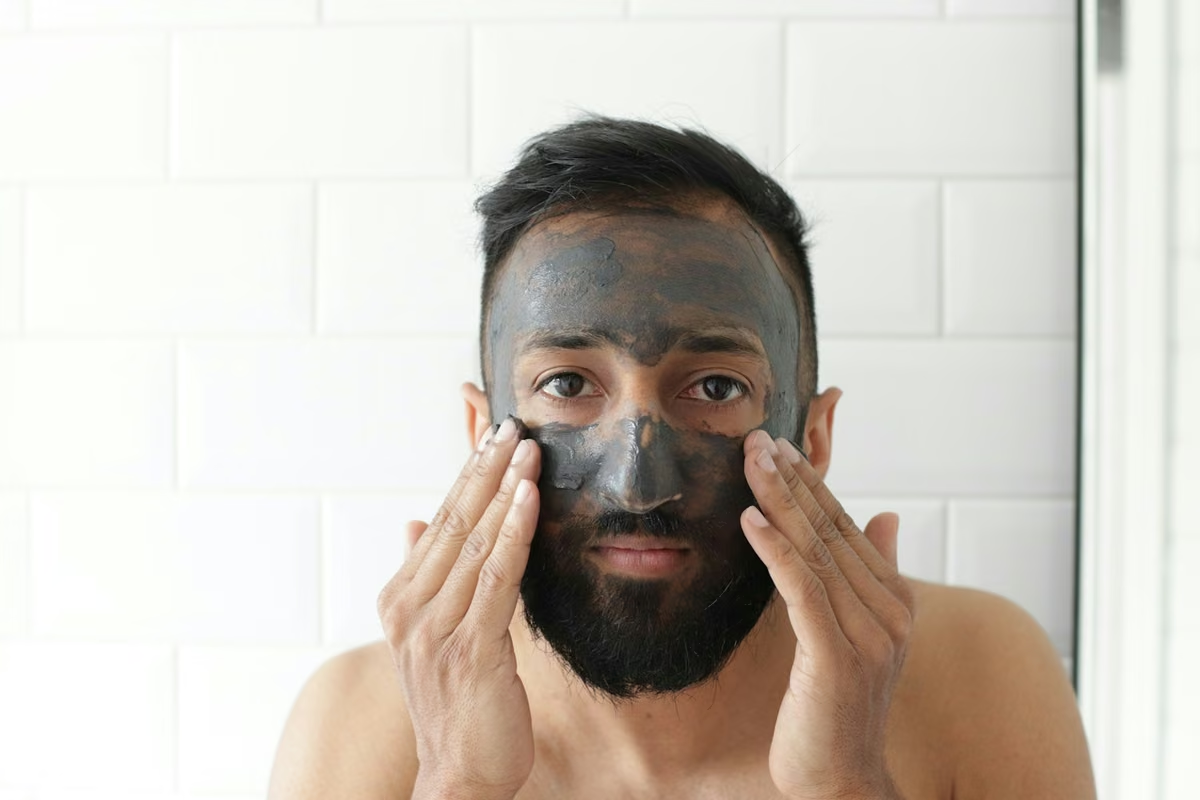
For oil and shine, resist the urge to scrub. The Academy warns that scrubbing irritates the skin and can make acne worse. Washing twice a day and after sweating, then using a light moisturiser and sunscreen, is usually enough.
Tan builds quickly on a daily commute. The Academy notes that every tan ages the skin early, so daily sunscreen does more than anything applied afterwards. For tan that has already built up, the guide on how to remove tan from the face explains what helps.
Where a Hydrafacial fits
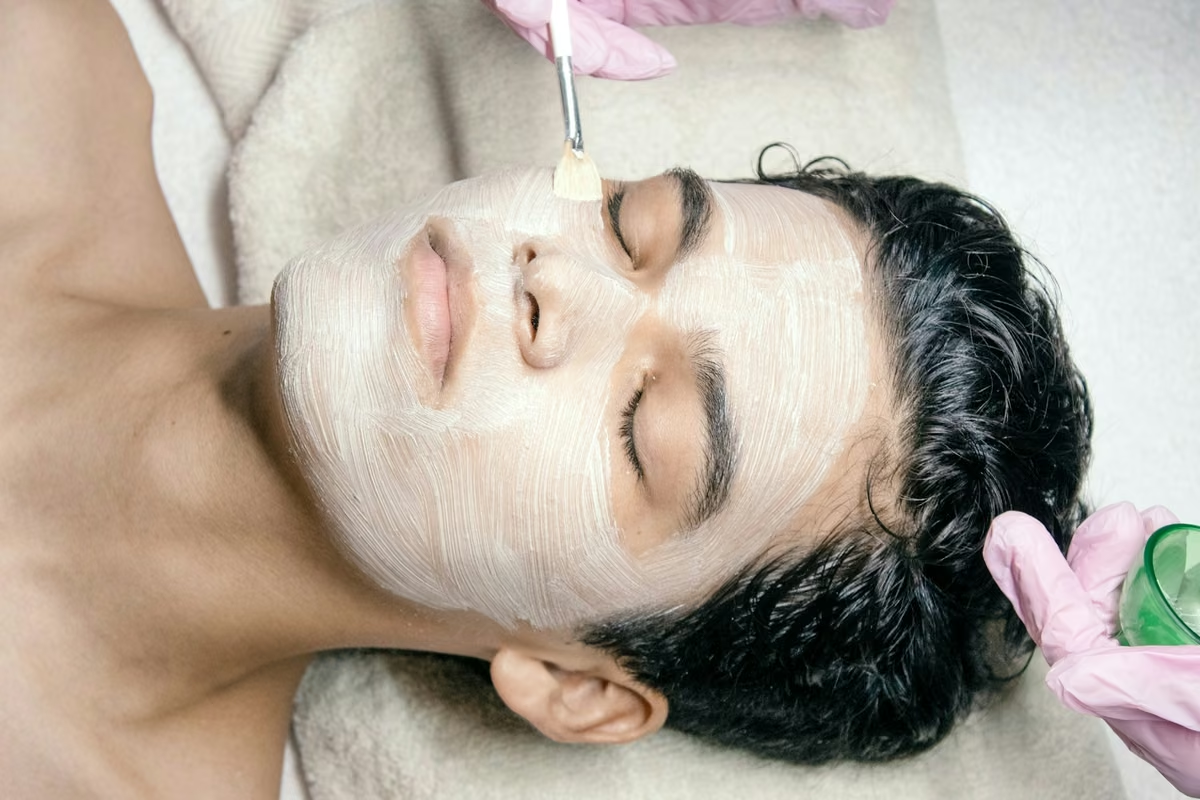
A clinic facial is an extra, not a substitute for the daily routine. For men whose main concerns are oil, congested pores, blackheads on the nose or dull skin, a Hydrafacial can be a useful reset. At Amber your skin is assessed first, then cleansed, gently resurfaced, extracted where pores are congested, infused with serums chosen for your concern and finished with hydration. It takes about an hour with minimal downtime. If your skin is inflamed, broken or sunburnt, the advice may be to wait. The article on Hydrafacial for men covers beard and shaving questions in more detail.
When to see a doctor first
Most shaving irritation settles with better technique, but some problems need medical attention. The NHS advises seeing a doctor if an ingrown hair or the skin around it becomes very painful, hot or swollen, or if you have a high temperature or feel unwell. See a doctor, too, if:
- acne is painful, widespread or leaving scars;
- bumps keep returning and leave dark marks or firm, raised scars;
- a mole or spot looks different from the others, or changes, itches or bleeds, which the Academy advises getting checked.
Questions people ask about skin care for men
Do men need different products from women?
Not usually. What matters is your skin type and your concerns, not who the packaging is aimed at. The American Academy of Dermatology suggests choosing products that match your skin’s needs, whether it is oily, dry, combination or sensitive. A gentle cleanser, a suitable moisturiser and a broad-spectrum sunscreen work for most men.
Is it all right to wash my face with soap?
A harsh bar soap can leave skin tight and dry, especially in winter. Dermatologists generally advise a gentle, non-abrasive cleanser without alcohol, used with lukewarm water and your fingertips. Rinse well and pat dry with a soft towel rather than rubbing. If your skin feels comfortable afterwards, the cleanser is probably suiting you.
Should I shave against the grain for a closer shave?
It is better not to. The American Academy of Dermatology and the NHS both advise shaving in the direction the hair grows to reduce razor bumps and burn. A very close shave leaves sharp hair tips at or below the surface, which is how ingrown hairs start. DermNet suggests leaving about a millimetre of stubble.
Can laser hair reduction stop razor bumps?
For many men it helps, because fewer hairs means fewer growing back into the skin. It thins hair in the treated area for the long term, so it suits the neck and lower beard line rather than a beard you want to keep. Bumps should be calm before a session, and the doctor assesses your skin first.
How much does a Hydrafacial cost in Lucknow?
Amber quotes a Hydrafacial after the doctor has assessed your skin rather than publishing a figure, because the right version depends on what your skin needs. You see a written quote before anything is booked, and the Hydrafacial price article explains what shapes it. Message the clinic on WhatsApp to start.
If oil, congestion or dull skin are your main concerns, see how Hydrafacial at Amber in Gomti Nagar works. For anything else in this guide, message the clinic on WhatsApp and ask.
Sources
- Hair removal: How to shave, American Academy of Dermatology
- Ten skin care secrets for healthier looking skin, American Academy of Dermatology
- Face washing basics, American Academy of Dermatology
- Ingrown hairs, NHS
- Pseudofolliculitis barbae (razor bumps), DermNet
Considering this for yourself?
The honest answer for your skin comes from an assessment, not an article. Explore the treatment, or reserve an unhurried consultation with the doctor.