
Moisturiser for Winter: How to Choose by Skin Type
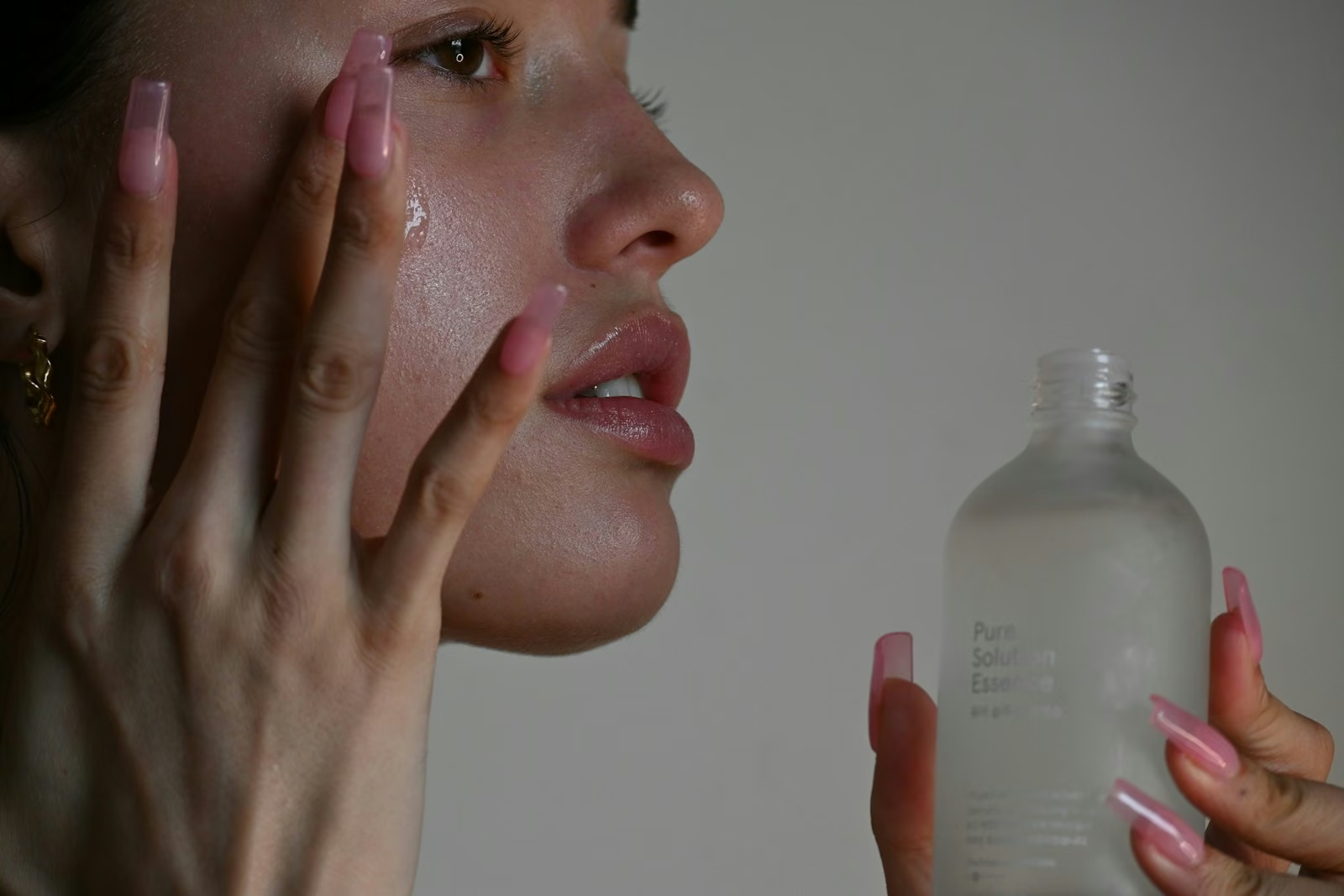
Choosing a moisturiser for winter matters more than most people expect. In Lucknow the cool months bring drier air, cold mornings and evenings beside a room heater, and many of us take longer, hotter showers just when skin can least afford it. The result is that tight, flaky, sometimes itchy feeling on the cheeks, hands and shins.
There is no single best product, whatever the search results suggest. This guide covers what a moisturiser does, which textures and ingredients suit dry, oily and sensitive skin, when to apply it, how it sits under sunscreen, and when dryness needs a doctor.
What a moisturiser for winter needs to do
The outer layer of skin works like a wall that holds water in. DermNet describes dry skin as a weakness in that barrier, made worse by cold, windy weather, low humidity, direct heat from a heater, long hot baths and harsh soaps.
Moisturisers help in three ways. Humectants, such as glycerine and hyaluronic acid, draw water into the skin. Emollients, such as lanolin, smooth rough patches by filling tiny cracks in the surface. Occlusives, such as petroleum jelly, mineral oil and dimethicone, leave a thin film that slows water loss. Most products mix all three, and the balance is what changes between skin types.
Cream, lotion, gel or ointment: choosing a texture
DermNet ranks textures from the most sealing to the least: ointments, creams, lotions, then oils. Ointments suit very dry, thick or scaly areas, but many find them too greasy for the face. Creams sink in faster but need applying more often, and lotions and gels suit mild dryness.
For dry skin, the American Academy of Dermatology recommends a cream or ointment rather than a lotion, and DermNet adds that the drier the skin, the thicker the product should be. Many people settle on two: a lighter one for the face in the morning, and something richer at night and for the hands, elbows and shins.
Ingredients to look for, by skin type
Dry or tight skin
Look for petroleum jelly, mineral oil, dimethicone, shea butter, lanolin or jojoba oil near the top of the list, with a humectant such as glycerine. Ceramides, one of the fats the skin barrier is built from, are common in creams for dry skin too. If your skin is cracked, avoid urea and lactic acid for now, because DermNet notes they often sting broken skin.
Oily or acne-prone skin
Oily skin still loses water in winter, especially alongside acne treatments that dry and peel. Choose a light gel-cream labelled non-comedogenic, meaning it is made not to block pores, built on humectants such as glycerine and hyaluronic acid rather than heavy oils.
Sensitive skin
DermNet lists cold, low humidity and heat among the triggers for sensitive skin. Choose a fragrance-free product with a short ingredient list, since irritation usually builds from several mild irritants at once. The American Academy of Dermatology warns that “unscented” is not the same thing: such products can contain masking chemicals that still irritate.
UNSURE WHAT YOUR SKIN NEEDSTell us how your skin feels this winter and what you use now. We can explain how the doctor assesses it at Amber.
How much to use, and when to put it on
Timing matters as much as the product. DermNet says moisturisers are most effective straight after bathing, while water is still in the skin. The American Academy of Dermatology suggests showers of five to ten minutes in warm rather than hot water, patting skin dry, and applying moisturiser while it is still damp.
- Apply after bathing, after washing your hands and whenever skin feels dry, massaging it in gently.
- Very dry skin may need a rich product two or three times a day, since DermNet notes the effect is strongest in the first few hours. Slightly dry skin may only need a light layer at night.
- Use a lip balm or petroleum jelly on your lips, and switch if one stings.
Layering moisturiser under sunscreen
The American Academy of Dermatology notes that the sun gives off harmful UV rays all year and that much of it passes through cloud, so sunscreen stays part of a winter routine. In the morning, cleanse, apply moisturiser, give it a few minutes to settle, then add a broad-spectrum sunscreen of SPF 30 or higher as the last step before makeup.
Where a Hydrafacial fits in a dry season
A clinic facial does not replace daily moisturiser and is not a treatment for eczema. A Hydrafacial offers a gentle reset for dull or congested skin. At Amber your skin is assessed first, then the protocol moves through cleansing, a resurfacing pass suited to your tolerance, extraction where pores are congested, serums chosen for your concern, and a final step that seals in hydration.
A session takes about an hour with minimal downtime, and sessions are usually four to six weeks apart. If skin is cracked or flaring, the advice may be to wait. Tell the doctor if you are pregnant or breastfeeding.
When to see a doctor about dry winter skin
Most winter dryness settles with the right product and gentler habits. The American Academy of Dermatology advises seeing a doctor if it does not, because very dry skin can be a sign of a condition such as atopic eczema or psoriasis. See a doctor promptly if:
- skin is cracked, bleeding or itchy enough to disturb your sleep;
- there is oozing, crusting, spreading redness or pain, which can mean infection;
- a red, itchy rash appears after a new product, which may be an allergy to a fragrance or preservative;
- eczema flares.
Brief stinging that passes is common with sensitive skin, and DermNet says the product can usually be continued. A rash means stopping it, and a doctor can arrange patch testing to find the cause. Try anything new on a small area for a few days first, one product at a time. Some oral acne medicines dry the skin, so mention them to the doctor rather than changing them yourself.
Questions people ask about moisturiser for winter
Is there one best moisturiser for winter?
No. The right moisturiser for winter is one that suits your skin and that you will use every day. DermNet’s guidance is that the right emollient is the one the person likes. A plain, fragrance-free cream often does the job, because texture and timing matter more than label claims.
Can a heavier winter cream cause breakouts?
It can. DermNet notes that thick, occlusive products can trigger or worsen acne and inflamed hair follicles. If your face is oily or acne-prone, keep a light, non-comedogenic gel-cream for the face and richer creams for the body. If new spots appear after a change, go back to the lighter product.
Is a moisturiser with SPF enough on its own?
It helps, but it is often not enough for a day outdoors. The American Academy of Dermatology points out that sunscreen needs reapplying about every two hours outside, which is hard to do with a moisturiser. Most people find a separate sunscreen, applied over moisturiser, easier to use generously and top up.
Do creams with collagen or peptides work better?
Not necessarily. DermNet cautions that marketing claims about anti-ageing ingredients can be misleading, and that large molecules such as collagen and peptides cannot pass through the outer layer of the skin. For winter dryness the basics do most of the work: humectants, emollients and occlusives.
How much does a Hydrafacial cost in Lucknow?
Amber quotes a Hydrafacial after the doctor has looked at your skin rather than publishing a figure, because the right version depends on what your skin needs. You see a written quote before anything is booked, and the Hydrafacial price article explains what shapes it. Message the clinic on WhatsApp to start.
If your skin needs more than a better cream this season, read how Hydrafacial at Amber in Gomti Nagar works, or see why skin dries out in winter in the first place. To ask about your own skin, message the clinic on WhatsApp.
Sources
- Emollients and moisturisers, DermNet
- Dermatologists’ top tips for relieving dry skin, American Academy of Dermatology
- Dry skin, DermNet
- Sensitive skin, DermNet
- Sunscreen FAQs, American Academy of Dermatology
Considering this for yourself?
The honest answer for your skin comes from an assessment, not an article. Explore the treatment, or reserve an unhurried consultation with the doctor.