
Hydrafacial for Men: Beard, Oil and Shaving Skin
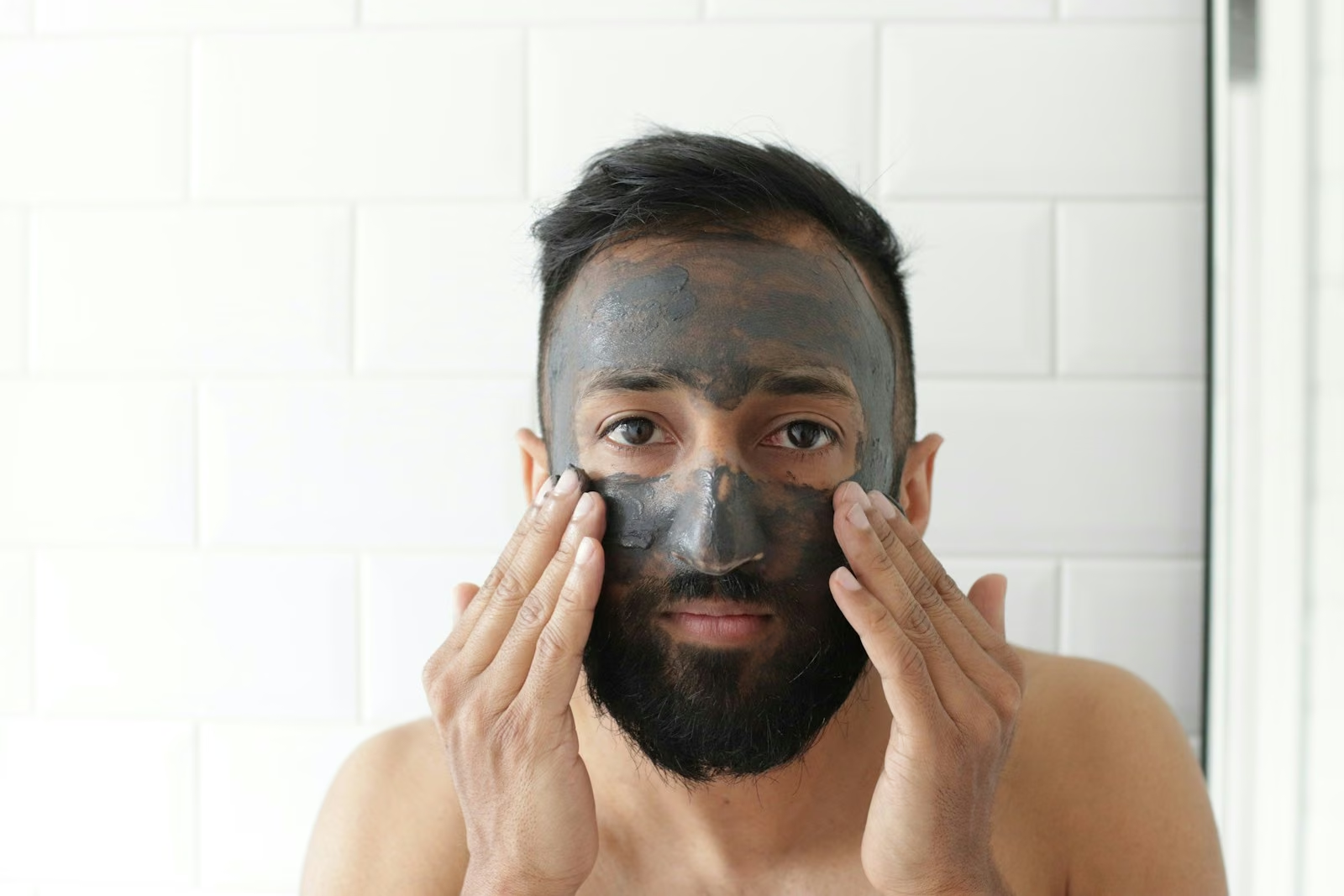
A Hydrafacial for men is the same treatment anyone else has, planned around skin that is often oily, shaved most days and out in the sun. Typical concerns are a shiny forehead and nose, blackheads, a dull or tanned complexion, or skin that stings and bumps after shaving.
This article explains what each step does for those concerns, how to handle shaving and the beard area around a session, which Amber option suits which goal, what results to expect, and when it is better to wait.
What a Hydrafacial for men actually does
At Amber, a Hydrafacial follows five steps in about one calm hour:
- Cleanse: surface oil and grime are removed and your skin is read under good light.
- Resurface: a gentle exfoliating pass, adjusted to what your skin tolerates.
- Extract: vortex extraction, a suction step, where pores are congested.
- Infuse: targeted serums chosen for your concern.
- Protect: hydration is sealed in, and sun protection and aftercare are explained.
There is minimal downtime, so you can usually go straight back to work. It cleans and refreshes the skin, but it does not treat acne, razor bumps or a deep tan on its own. The honest value lies in clearer, calmer-looking skin that you then look after at home.
Oil, congestion and blackheads
DermNet explains that blackheads form when oil and skin cells block the opening of a hair follicle. They look dark because of pigment at the surface, not dirt, so scrubbing harder is not the answer. Humid weather, such as Lucknow’s monsoon months, and oily hair products can add to the congestion.
Extraction clears the blocked pores that are there on the day. Because your skin keeps making oil, new blackheads form over time, which is why DermNet describes treatment for comedones as long-term. Products with salicylic acid can help with regular use, and a doctor may prescribe other treatments for persistent congestion.
The American Academy of Dermatology (AAD) suggests washing your face gently up to twice a day and after sweating, using your fingertips rather than a rough cloth. It also warns against picking or squeezing, which makes spots take longer to clear and raises the risk of scars and dark marks.
Shaving, razor bumps and the beard area
Razor bumps are common on the face and neck, especially under the jawline. DermNet explains that a closely shaved hair has a sharp tip that can grow back into the skin and inflame the follicle. They are more likely with curly or coarse hair and in darker skin, where they can leave dark marks behind.
A better shave helps. The AAD advises shaving after a warm shower, using a shaving cream or gel, shaving in the direction the hair grows, rinsing the blade after each stroke and replacing blades or disposable razors after five to seven shaves. DermNet adds that not going over the same area twice and trying an electric shaver can both help.
For your Hydrafacial, shave the day before rather than the morning of, so the skin has time to settle. Extraction is avoided over any patch that is irritated or freshly shaved, and a nick or cut means that area is left alone.
ASK BEFORE YOU BOOKTell us about your skin, your shaving routine and what bothers you most. We will explain how a Hydrafacial would be planned for you at Amber.
Which Amber Hydrafacial suits which goal
Every skin type is assessed first, and the choice follows from what your skin needs rather than from a package.
- Signature (cleanse, resurface, extract, hydrate) suits a reset when oil and congestion are the main story.
- Deluxe adds a targeted booster and LED light, and Platinum begins with lymphatic drainage before the booster and LED. These suit men who want more than a clean-out.
- With Laser Toning or With Chemical Peel are options when uneven tone or tan is part of the picture, and the Hollywood Hydrafacial pairs the treatment with the carbon laser peel. The guide to carbon facial vs Hydrafacial compares the two.
Hydrafacial Keravive, for scalp and hair health, is a separate treatment rather than part of the facial.
Realistic results, and how often
After a session, skin often feels cleaner and looks fresher, though results vary. The effect fades as oil, sweat and sun do their work, so a Hydrafacial is a maintenance habit rather than a one-off fix. At Amber, sessions are usually spaced four to six weeks apart.
Sunscreen is the other half of the plan. The AAD notes that tanning damages skin and can worsen acne, and recommends a broad-spectrum sunscreen on exposed skin, labelled non-comedogenic if you break out. If greasiness puts you off, read the guide to sunscreen for oily skin.
When to wait, and who it does not suit
A Hydrafacial is gentle, but some skin needs to heal or be treated first. Wait, and tell the doctor, if you have:
- painful, inflamed or pus-filled acne, which needs medical treatment rather than a facial;
- sunburn, a rash, cuts, razor nicks or other broken skin on the face;
- razor bumps or ingrown hairs that look infected, or feel very painful, hot or swollen, which need a doctor first;
- a current or recent course of isotretinoin, since the NHS advises against skin treatments such as microdermabrasion and chemical peels while taking it.
Mention any prescription creams or medicines you use, because some make skin more sensitive. If breakouts keep coming back or leave scars, see a doctor about the acne itself before thinking about facials.
Questions people ask about Hydrafacial for men
Is a Hydrafacial suitable for men with oily skin?
Yes. Oily, congested skin is a good reason to book. Cleansing, a gentle exfoliating pass and vortex extraction clear blocked pores on the day. Oil production carries on afterwards, so gentle washing and a daily non-comedogenic sunscreen matter as much as the treatment itself.
Should I shave before a Hydrafacial?
Shave the day before rather than the morning of your appointment, so any irritation has time to settle. Extraction is avoided over freshly shaved or irritated skin, and nicks or cuts are left alone. If you get razor bumps, mention them at the assessment so the plan works around them.
Will a Hydrafacial get rid of blackheads for good?
No. It clears the blackheads that are there on the day, but new ones form because skin keeps producing oil. DermNet describes treatment for blackheads as long-term. Regular sessions, gentle washing and, where needed, home products or a doctor’s treatment keep congestion under better control.
How much does a Hydrafacial for men cost in Lucknow?
Amber quotes a Hydrafacial after the doctor’s assessment rather than publishing a figure, because the right option, from Signature to a combined treatment, depends on your skin. The Hydrafacial price article explains what shapes it. Message the clinic on WhatsApp to start.
How often should men get a Hydrafacial?
At Amber, sessions are usually spaced four to six weeks apart if you want to keep oil and congestion in check. The doctor suggests a rhythm once your skin has been assessed. Between visits, gentle twice-daily washing and daily sunscreen do most of the work.
If you would like to try it, see how the doctor plans Hydrafacial at Amber in Gomti Nagar, or message the clinic on WhatsApp with a question first.
Sources
- Hair removal: How to shave, American Academy of Dermatology
- Comedonal acne, DermNet
- Six skin care habits that can clear acne, American Academy of Dermatology
- Pseudofolliculitis barbae (razor bumps), DermNet
- Isotretinoin: a medicine for severe acne, NHS
Considering this for yourself?
The honest answer for your skin comes from an assessment, not an article. Explore the treatment, or reserve an unhurried consultation with the doctor.