Lip Pigmentation Treatment: Causes, Care and Options
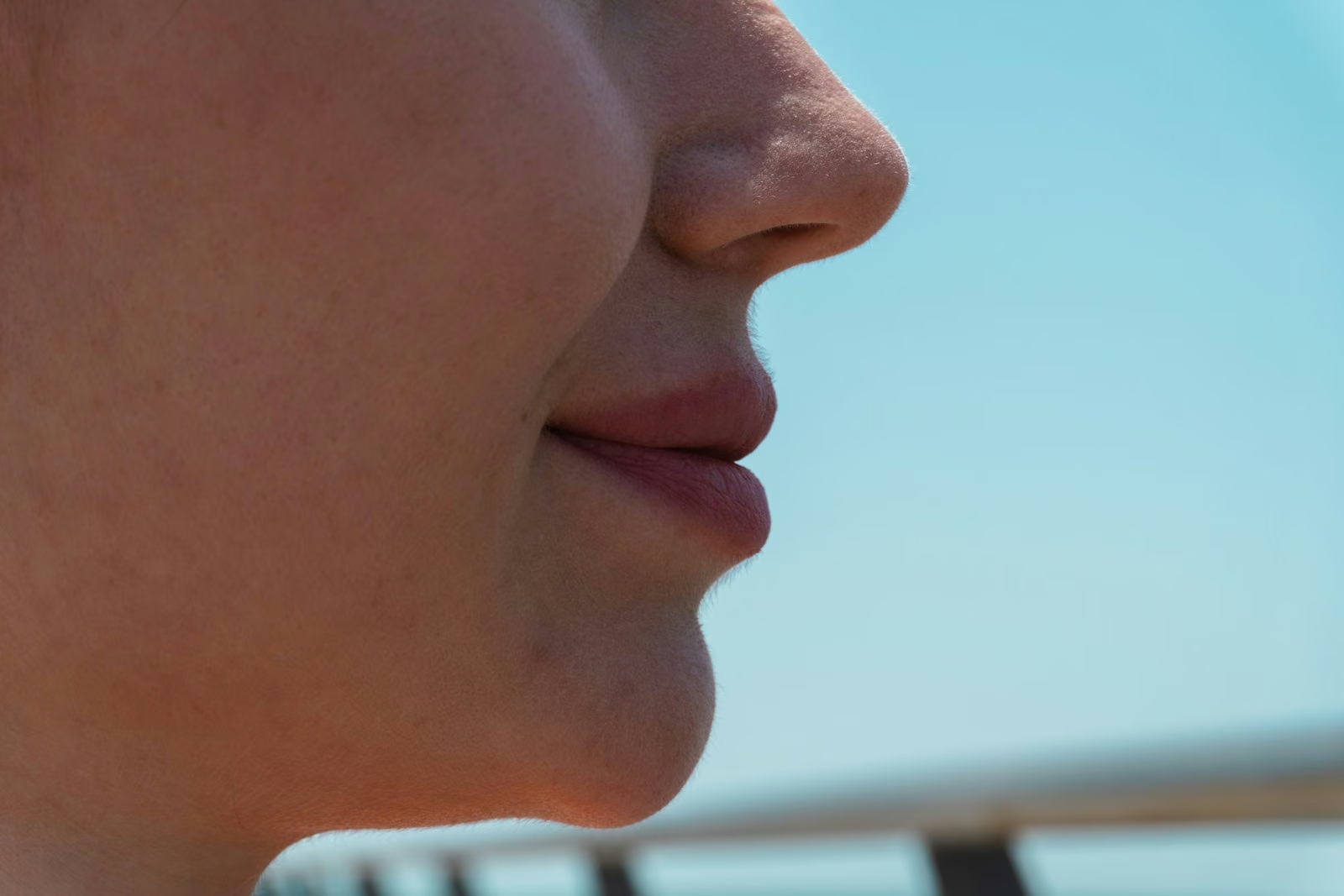
Darker lips are common, and most searches for lip pigmentation treatment start with one question: can they be made lighter? The honest answer is that it depends on why they darkened. Lips change colour for many reasons, from the shade you were born with to sun, smoking, lip licking and reactions to lipstick or toothpaste. Most of these are harmless, a few need a doctor, and the right approach depends on the cause.
This article covers the common causes, the spots that need checking, what helps at home, and where laser toning fits, and where it does not.
Why lips darken
- Natural colour. Lip shade varies from person to person, and deeper skin tones often come with deeper lip colour. This is normal and needs no treatment.
- Sun. DermNet notes that the small brown patches known as lip freckles are thought to be provoked by sun exposure.
- Smoking. Smoking is commonly linked with darker lips and gums. DermNet also lists uneven skin colouring, lines around the lips and a much higher risk of lip cancer among its effects.
- Lip licking. Habitual licking keeps lips cycling between wet and dry, which irritates them, and irritated skin can darken as it heals.
- Reactions to products. Lipstick, lip balm, toothpaste and other products can cause contact dermatitis. The NHS notes that on darker skin this often shows as dark brown, purple or grey patches rather than redness.
- Marks after inflammation. DermNet explains that pigment left behind after injury, dermatitis or infection, such as a cold sore, is more common and more intense in darker skin, and darkens further with sun.
- Medicines. DermNet notes that some medicines can deepen this kind of pigmentation, so mention everything you take.
When to see a doctor about a dark spot on the lip
A single flat, brown patch on the lower lip that has looked the same for years is often a labial melanotic macule, which DermNet describes as a freckle arising on the lip. These are harmless, usually stay the same size and colour, and a typical one can simply be left alone.
DermNet also notes that melanoma on the lip is very rare but can occur, and that a spot showing progressive change should be examined more closely. See a doctor before any cosmetic treatment if:
- a dark spot is new, or is growing or changing in colour or shape;
- it has an irregular edge, bleeds, or sits on a sore that does not heal;
- you have several dark spots on the lips and inside the mouth, which can occasionally signal a wider medical condition;
- your lips stay itchy, cracked or peeling, which may be dermatitis with a cause to find.
No laser or peel should be used on a spot that has not been properly examined first.
What helps at home
Whatever the cause, a few habits protect your lips and stop pigment from deepening. In Lucknow, where the sun is strong for much of the year, the first one matters every day.
- Use a lip balm or lipstick with sunscreen. The American Academy of Dermatology recommends SPF 30 or higher for the lips, reapplied through the day when you are outdoors.
- Stop smoking, which helps your lips and the rest of your skin.
- Try to break the lip-licking habit, and keep a plain balm to hand instead.
- If a lipstick, balm or toothpaste stings, tingles or leaves your lips sore, stop using it and switch to something simpler.
- Skip lemon juice, harsh scrubs and bleaching creams bought without advice. Irritation is itself a cause of darkening.
NOT SURE WHAT IS CAUSING ITTell us how long your lips have looked darker and whether anything has changed. We will explain how the doctor assesses lip pigmentation at Amber.
Lip pigmentation treatment in the clinic
Any lip pigmentation treatment starts with working out the type of pigment. A harmless lip freckle, darkening from smoking or sun, and marks left by dermatitis can look alike at a glance but behave differently. If a product allergy is behind it, the colour will keep returning until the trigger is found, and a doctor may arrange tests to identify it.
For a typical lip freckle, DermNet notes that treatment is optional, with freezing or laser used if it is wanted. For marks left after inflammation, a doctor may prescribe a lightening cream, and laser or peels can help some pigment that sits near the surface. DermNet is clear about the limits too: these physical treatments can also make pigmentation worse by injuring the skin, and they do not work on pigment that sits deeper.
How Amber approaches dark lips
At Amber, lips are assessed case by case before anything is suggested. The doctor looks at the pattern of colour, asks about habits, products and medicines, and checks for anything that needs medical attention first. Sometimes the advice is to deal with the cause, protect the lips and wait, or to leave a harmless spot alone.
Where it suits, laser toning may be part of the plan. Amber uses the Lutronic Spectra XT, a low-fluence Q-switched Nd:YAG laser that works on pigment without peeling the skin. It is planned as a course of sessions a few weeks apart, with a written quote at consultation before anything is booked. The guide to laser treatment for hyperpigmentation explains the wider approach.
Risks, and why laser does not suit every case
Not everyone with darker lips is a good candidate for laser, and it is better to hear that before a course than after it. Laser is not the right step when:
- a spot has not been diagnosed, or is new or changing;
- the lips are irritated, cracked or inflamed, or an allergy has not been sorted out;
- you have an active cold sore, or get them often, which needs discussing first;
- the colour is simply your natural lip shade;
- you are pregnant or breastfeeding, in which case tell the doctor, as many cosmetic treatments wait until after.
Temporary redness and tenderness can follow a session, and, as DermNet notes, pigment can sometimes darken rather than lighten. Results vary, nobody can promise a particular result, and pigment can return if its cause returns, so protection stays part of the plan.
Questions people ask about lip pigmentation
Can dark lips become lighter?
Often, at least partly, depending on the cause. Darkening from sun, smoking or irritation can fade once the cause stops and the lips are protected. Your natural lip colour will not change, and does not need to. Nobody can promise a particular shade, so be wary of anyone who does.
Does a lip balm with SPF really help?
Yes. Sun can deepen many kinds of lip pigment, and the American Academy of Dermatology recommends a lip balm or lipstick with SPF 30 or higher, partly because skin cancer can also form on the lips. Reapply through the day, especially outdoors and after eating or drinking, because balm wears off quickly.
Can lipstick or toothpaste darken lips?
They can. An allergy or irritation from lipstick, lip balm, toothpaste or other products can cause contact dermatitis, which on darker skin often leaves brown, purple or grey patches rather than redness. If your lips are dry, sore or itchy as well as darker, a doctor can help find the trigger before anything else is tried.
How much does lip pigmentation treatment cost in Lucknow?
Amber quotes after the doctor has assessed your lips rather than publishing a figure, because the plan depends on the cause, whether laser suits you and how many sessions are sensible. The laser toning cost article explains what shapes a quote. Message the clinic on WhatsApp to start.
How long does it take for darker lips to fade?
It depends on the cause. Pigment left after irritation usually fades slowly, often over months, and only once whatever caused it has stopped. Darkening from sun or smoking follows a similar pattern, so protection and patience come first. If laser is part of the plan, any change builds gradually across a course.
If you would like the doctor to look at your lips, start with how laser toning at Amber in Gomti Nagar works and who it suits. To ask a question first, message the clinic on WhatsApp.
Sources
- Labial melanotic macule, DermNet
- Postinflammatory hyperpigmentation, DermNet
- Contact dermatitis, NHS
- Sunscreen FAQs, American Academy of Dermatology
- Smoking and its effects on the skin, DermNet
Considering this for yourself?
The honest answer for your skin comes from an assessment, not an article. Explore the treatment, or reserve an unhurried consultation with the doctor.