
Hair Fall After Dengue: Why It Happens and When It Settles
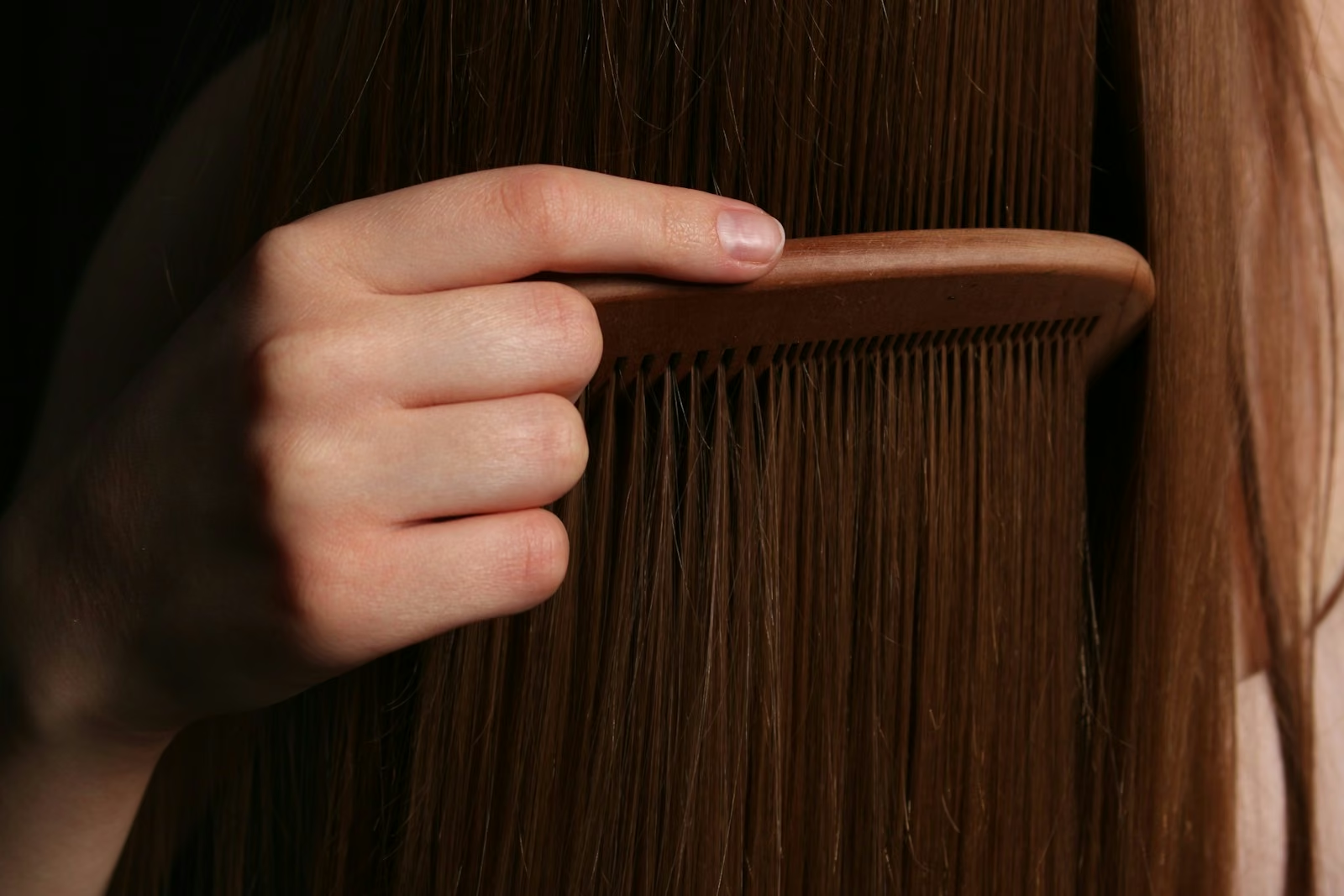
Hair fall after dengue catches many people off guard. The fever has gone, life is back to normal, and then, two to four months later, hair starts coming out in the shower, on the pillow and in the comb. Because dengue season in Lucknow follows the monsoon, this shedding tends to show up in the cooler months.
In most people it is temporary. The shedding has a medical name, telogen effluvium, and a fairly predictable course. This article explains why it happens, when it usually starts and settles, what helps while you wait, and the signs that mean a doctor should take a look sooner.
Why hair fall after dengue happens
Dengue usually brings a high temperature, a severe headache and aching muscles and joints, and the NHS notes that most people feel better within a few days. Your hair works on a much slower clock.
Each hair grows for years, then rests for a few months before it falls out and a new hair pushes through underneath. At any one time most hairs are growing and only a small share are resting, which is why everyone sheds a little every day.
DermNet explains that a shock to the system, such as an illness with fever, can push a large number of growing hairs into the resting phase at once. A few months later they fall out together. That is telogen effluvium.
Dengue can add other triggers on top. Many people eat very little for a week or two and lose weight, and DermNet lists weight loss, an unusual diet and nutritional deficiencies such as low iron among the causes.
When the shedding starts, and when it settles
The delay is what confuses people. DermNet notes that the increased hair fall is usually noticed two to four months after the triggering event, so by the time it starts, the fever can feel like old news. The shedding is heavy at first and the whole scalp may look thinner, but after a few months it reaches a peak and begins to ease.
In most people it tapers back to normal over six to nine months. The American Academy of Dermatology says that as the body readjusts, the hair tends to regain its normal fullness within that time. Oddly, the shedding is itself a sign of regrowth: new hairs are pushing the old ones out, and a fringe of short new hairs often appears along the hairline.
Telogen effluvium thins hair evenly and does not cause complete baldness. DermNet adds two cautions: recovery is incomplete in some people, and a heavy shed can unmask a tendency to pattern hair loss.
SHEDDING AFTER A FEVERNot sure your hair fall fits the usual pattern? Tell us when you had the fever and when the shedding began.
What helps while your hair recovers
DermNet describes telogen effluvium as self-correcting, so the aim is to support recovery and avoid adding damage.
- Handle your hair gently. Use a wide-toothed comb, avoid vigorous brushing and, as DermNet advises, skip scalp massage while the shedding lasts.
- Avoid tight ponytails, buns and braids, which the American Academy of Dermatology lists as a cause of hair loss in their own right.
- Eat well as your appetite returns, with enough protein and plenty of fruit and vegetables.
- Ask a doctor about blood tests. DermNet advises correcting any problem with thyroid function or with iron, vitamin B12 or folate levels. Do not buy iron, biotin or zinc on a guess: the American Academy of Dermatology advises taking them only when a test shows a deficiency, because an unneeded supplement can be harmful.
- Keep your routine simple. Once the shedding has started it follows its own timetable, and changing products every week only makes progress harder to judge.
Mention anything else that happened in the same months, such as a new baby, stopping the contraceptive pill, crash dieting, a new medicine or a stressful event. Each can cause the same type of shedding, and causes can overlap.
Where PRP and GFC fit, and where they do not
Many people start searching for PRP or GFC the moment hair appears in the drain. For hair fall after dengue, neither is a first-line treatment. The NHS notes that hair loss caused by a medical condition usually stops or grows back once you have recovered, and advises seeing a doctor about the cause before paying for treatment at a hair clinic.
Amber works the same way. The doctor’s hair assessment looks at the pattern of loss, the likely cause and your history first, and some hair loss needs a medical work-up before any procedure. Sometimes the advice is simply to wait.
PRP and GFC come into the conversation when the assessment finds an ongoing problem, such as pattern hair loss that the shed has revealed. The American Academy of Dermatology says studies show PRP can be a safe and effective hair loss treatment, with repeat injections needed. The difference between GFC and PRP is explained in a separate guide.
When to see a doctor rather than wait
Most hair fall after dengue settles on its own, but some signs point to a different or additional problem. See a doctor if:
- heavy shedding is not easing after about six months, or keeps coming back;
- hair is coming out in patches, or you notice bald spots rather than even thinning;
- your scalp is itchy, scaly, red or sore;
- your parting is widening, or the hair is thinning mainly on the top of your head;
- you feel unusually tired, or have other new symptoms alongside the hair fall.
If you suspect a medicine is involved, talk to the doctor who prescribed it rather than stopping it yourself; the American Academy of Dermatology warns that stopping some treatments suddenly can cause serious side effects. If you are pregnant or breastfeeding, tell the doctor, because it changes both the likely causes and which treatments are suitable.
Questions people ask about hair fall after dengue
Is hair fall after dengue permanent?
Usually not. Telogen effluvium does not cause complete baldness, and in most people the hair grows back as the shedding tapers off over six to nine months. Recovery is incomplete in some people, though, and a heavy shed can reveal pattern hair loss that was already developing, so have it checked if your hair does not return as expected.
How long after dengue does hair fall start?
Usually two to four months after the fever. Hairs pushed into their resting phase by the illness stay in place for a while before new growth pushes them out, which is why many people do not connect the shedding with dengue at first. Noting the date your fever began helps a doctor match the timeline.
Will oiling or massaging my scalp stop the shedding?
Unlikely. Telogen effluvium settles as the hair cycle recovers, and DermNet advises gentle handling while hair is shedding, which means avoiding vigorous combing and brushing and any type of scalp massage. If oiling is part of your routine, apply it lightly and wash it out gently rather than working it in hard.
How much does hair fall treatment cost in Lucknow?
Amber quotes hair treatment after the doctor’s assessment rather than publishing a figure, because for shedding after an illness the right plan is often tests and patience, not a course. If PRP or GFC is ever advised, you see a written quote before anything is booked. Message the clinic on WhatsApp to start.
Do I need PRP or GFC for hair fall after dengue?
Usually not, at least not as a first step. Shedding after a fever tends to settle as the hair cycle resets, and the NHS notes that hair loss caused by an illness usually stops or grows back after recovery. The doctor may discuss PRP or GFC only if the assessment finds an ongoing problem, such as pattern hair loss.
If the shedding has lasted longer than expected, or you would like the cause checked, see how the doctor approaches hair and scalp care at Amber in Gomti Nagar, or read the wider guide to how hair fall treatment is planned. To ask a question first, message the clinic on WhatsApp.
Sources
- Telogen effluvium (hair shedding), DermNet
- Hair loss or hair shedding, American Academy of Dermatology
- Hair loss: diagnosis and treatment, American Academy of Dermatology
- Hair loss, NHS
- Dengue, NHS
Considering this for yourself?
The honest answer for your skin comes from an assessment, not an article. Explore the treatment, or reserve an unhurried consultation with the doctor.