Dry Skin in Winter: Causes, Barrier Repair and Care
Dry skin in winter is rarely bad luck. Cool air outside, heaters indoors and long hot baths all draw water out of the top layer of your skin, and that layer is your skin barrier, the part that keeps moisture in and irritants out. When it runs short of water and natural fats, skin feels tight, looks dull and starts to flake or itch.
This article explains how the barrier works, what humectants, emollients and occlusives each do, the habits that make dryness worse, a simple repair routine, and the signs that point to eczema or another condition that needs a doctor rather than a new cream.
Why you get dry skin in winter
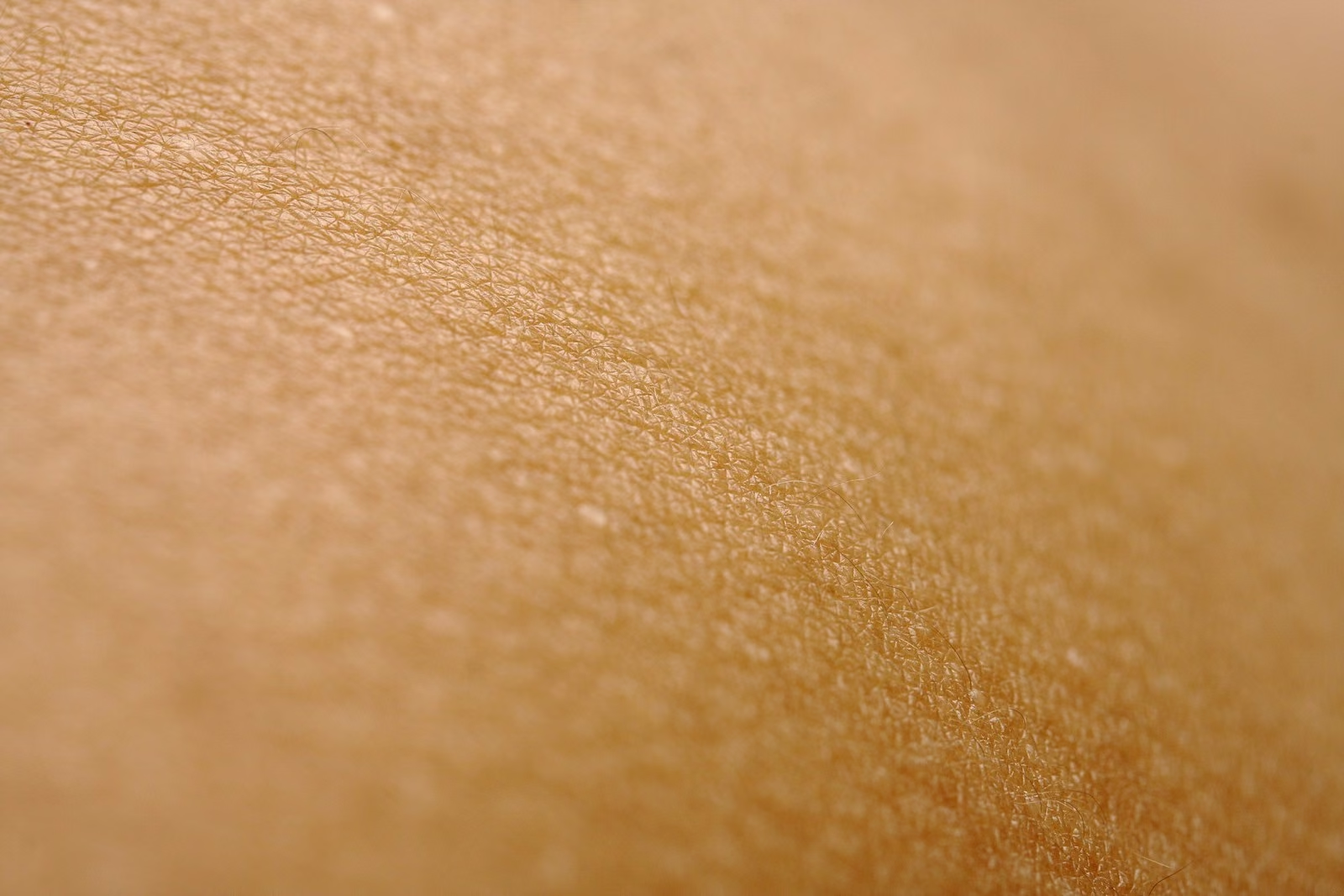
The outermost layer of skin, the stratum corneum, is made of flattened cells held together by fats such as ceramides, cholesterol and fatty acids: bricks and mortar, in effect. DermNet describes dry skin as a fault in this barrier, with fewer fats, less water held and fine cracks opening on the surface. With less mortar, water escapes through the skin faster.
Winter works against the barrier from several sides. DermNet lists cool, windy weather and low humidity, direct heat from a heater, frequent bathing, soap and rough fabrics among the causes of dry skin. A room heater on a cold Lucknow evening followed by a long hot bath is a familiar pattern, and skin pays for it.
Signs your skin barrier is struggling
Dry skin looks dull and feels rough, tight or scaly. DermNet notes that the shins are affected most, and the American Academy of Dermatology says the hands are often where people notice it first. Other signs include:
- flaking and fine cracks, which can sometimes bleed;
- itch, which DermNet says can mean a form of eczema has developed;
- stinging from a product that never used to bother you, because a weakened barrier lets irritants in more easily.
Humectants, emollients and occlusives: what each one does
Most moisturisers are built from three kinds of ingredient:
- Humectants attract water into the outer layer of skin. Examples include glycerine, hyaluronic acid, urea and lactic acid. Urea and acids can sting on cracked skin.
- Emollients, such as lanolin, are oily ingredients that soften the surface by filling tiny cracks in the outer layer.
- Occlusives leave a thin film that slows water loss. Petroleum jelly, mineral oil, paraffin and dimethicone are common examples.
Many moisturisers combine all three. Ointments seal best, creams come next and lotions are the lightest, and the American Academy of Dermatology suggests a cream or ointment rather than a lotion for dry skin. On an acne-prone face, heavy occlusives can aggravate breakouts, so a lighter cream there and richer products on the body is a sensible split.
SKIN FEELING TIGHT THIS WINTERTell us what your skin is doing and what you are using on it. We can explain how the doctor assesses dryness at Amber.
Habits that make winter dryness worse
Some everyday winter habits work directly against the barrier:
- Long, hot baths. The American Academy of Dermatology suggests five to ten minutes in warm water.
- Soap and lots of lather. Use a gentle cleanser, and only where you need it.
- Fragrance. Unscented products can still contain chemicals that mask odours, so look for “fragrance-free” instead.
- Alcohol-based toners and gels, which dry the skin further.
- Friction from scrubs, rubbing with a towel, tight clothes and wool against bare skin.
- Direct heat and water, such as sitting close to a heater or washing dishes without gloves.
A simple routine to repair your skin barrier
Barrier repair is mostly about doing fewer things, more consistently:
- Keep baths and showers short and warm, then pat skin dry rather than rubbing.
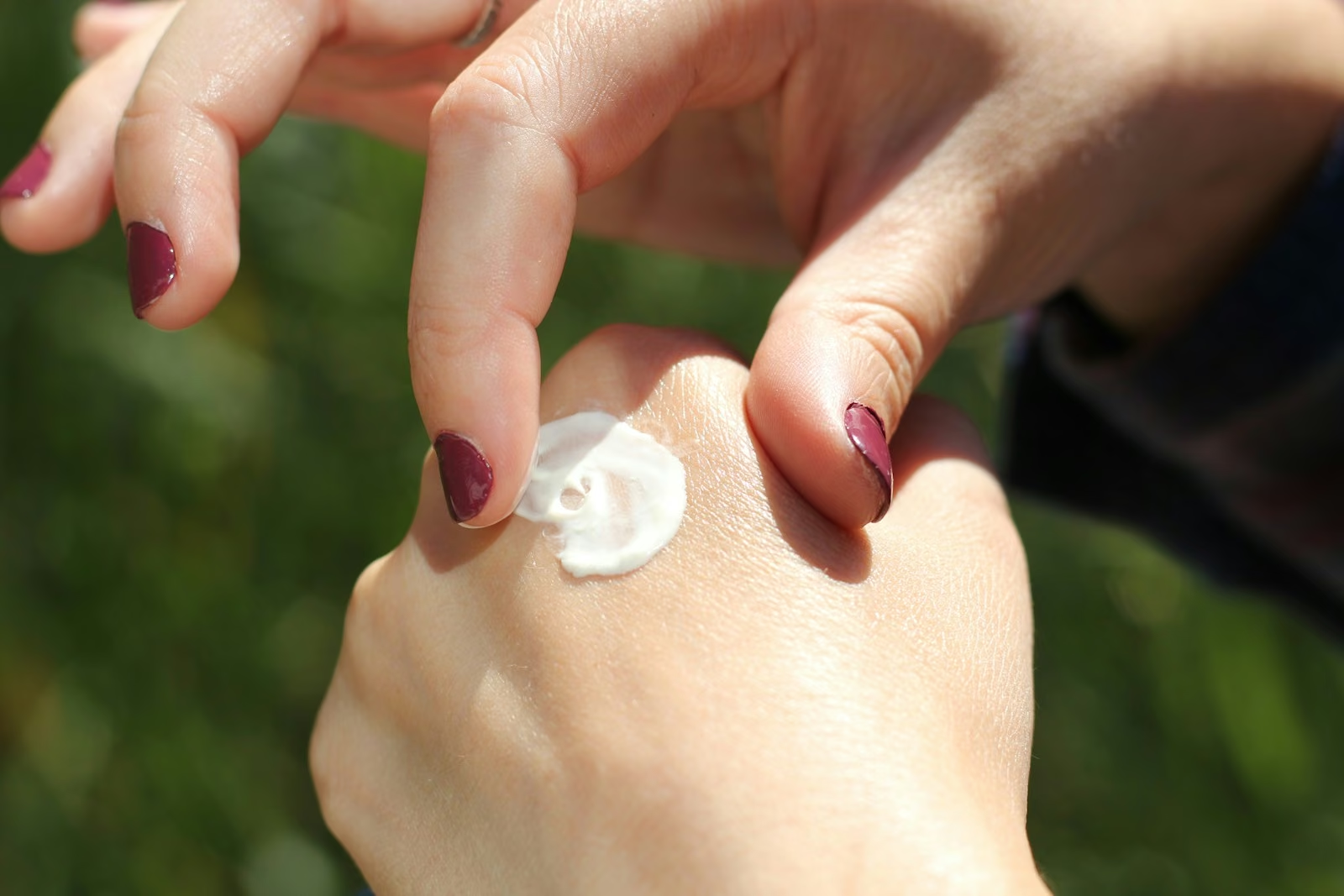
- Apply moisturiser within a few minutes, while skin is still damp. DermNet explains that this is when moisturisers work best, because water has already entered the skin.
- Reapply after washing your hands and whenever skin feels dry. DermNet notes the effect is strongest in the first six hours, so two or three applications a day often help.
- Use a lip balm or petroleum jelly on your lips, and switch if a balm stings.
- Wear sunscreen on exposed skin by day, and run a humidifier in the bedroom if the air feels dry, cleaning it regularly.
A tendency to dry skin can be lifelong, DermNet notes, or it can improve once the aggravating factors are controlled.
Where a clinic facial fits, and where it does not
For skin that is dry and dull but calm, with no rash, cracks or stinging, a clinic hydration treatment can be a useful extra. At Amber, a Hydrafacial starts with a cleanse and a read of your skin under good light, uses a resurfacing pass matched to your tolerance, and ends with serums chosen for the concern and hydration sealed in. The guide on how often to have a Hydrafacial covers spacing.
It does not replace daily moisturiser, and it is not an eczema treatment. If the barrier is visibly damaged, the advice may be to wait, or to do less. Tell the doctor if you are pregnant, breastfeeding or using prescription creams.
When to see a doctor about dry skin
No moisturiser can fix what is really a skin condition. See a doctor if:
- your skin stays dry despite careful daily care, since the American Academy of Dermatology notes this can come from atopic dermatitis, psoriasis or kidney disease;
- itchy, inflamed patches come and go, which on brown skin often look dark brown, purple or grey rather than red;
- a rash, blisters or cracking appear within hours or days of a new product, soap or detergent, which can point to contact dermatitis;
- the skin is weeping, crusted, painful, swollen or warm, or you feel unwell, which can signal infection and needs prompt care;
- dryness began later in life, as DermNet lists an underactive thyroid, kidney disease and some medicines among the causes. Never stop a prescribed medicine on your own; ask the doctor who prescribed it.
These need a diagnosis, and sometimes a treatment such as a steroid cream that a doctor may prescribe.
Questions people ask about dry skin in winter
Why does skin get drier in winter?
Cool, windy air outdoors and heated air indoors are both dry, so water leaves the skin faster, and long hot baths add to the loss. DermNet lists low humidity, direct heat, frequent bathing and soap among the causes of dry skin. Shorter, warm washes and a moisturiser applied to damp skin usually help a great deal.
How can I tell dry skin from eczema?
Plain dry skin feels rough or tight and improves with regular moisturiser. Eczema is usually itchier and inflamed, tends to flare and settle, and on brown skin often looks dark brown, purple or grey rather than red. If a rash keeps coming back, spreads or keeps you awake, see a doctor rather than guessing.
Is petroleum jelly good for dry skin in winter?
It can be. Petroleum jelly is an occlusive, which means it forms a film that slows water loss, and the American Academy of Dermatology lists it among useful ingredients for dry skin and lips. It works best over damp skin. On an acne-prone face it may feel heavy, so many people keep it for lips, hands and body.
How much does a Hydrafacial cost in Lucknow?
Amber quotes a Hydrafacial after the doctor has assessed your skin rather than publishing a figure, because the right option depends on what your skin needs, and sometimes the honest advice is to wait. The Hydrafacial price article explains what shapes the quote. Message the clinic on WhatsApp to start.
Should I keep using retinoids or scrubs while my skin is dry?
While skin is very dry, the American Academy of Dermatology suggests pausing skin care products that contain retinoids, alcohol or fragrance, and rough scrubs only add friction. Reintroduce them slowly once your skin feels comfortable again. If a doctor prescribed your retinoid, ask them before changing how you use it.
If your skin is calm but dry and dull this winter, read how the Hydrafacial at Amber in Gomti Nagar works, or see the winter skin care routine for the rest of the season. Not sure whether it is dryness or something else? Message the clinic on WhatsApp.
Sources
- Dry skin, DermNet
- Emollients and moisturisers, DermNet
- Tips for relieving dry skin, American Academy of Dermatology
- Contact dermatitis, NHS
- Atopic eczema, NHS
Considering this for yourself?
The honest answer for your skin comes from an assessment, not an article. Explore the treatment, or reserve an unhurried consultation with the doctor.