Uneven Skin Tone: Causes and How to Even It Out

Uneven skin tone covers several things people notice in the mirror: darker patches on the cheeks, a tan line that will not fade, marks left by old pimples, redness around the nose, or dull, rough areas. In Lucknow, where the sun is strong for much of the year, daily exposure makes most of them harder to shift.
This article explains the common causes, what helps at home, how a course of light medical peels or laser toning fits in, and which changes need a doctor’s eye before any treatment.
What causes uneven skin tone
Most uneven skin tone comes down to melanin, the pigment that gives skin its colour. Irritated or inflamed skin can make extra melanin and leave a darker mark behind. The American Academy of Dermatology (AAD) lists common triggers: a pimple, eczema or psoriasis clearing, a cut, burn or insect bite healing, an irritating product, certain medicines, and hormonal changes such as pregnancy.
Other causes look different. A tan covers whatever skin the sun reaches. Melasma forms brown patches, often on both cheeks, the forehead or the upper lip, and returns with sun, heat and hormones. Redness may come from irritation, healing acne or rosacea, while rough, dull patches often reflect sun damage.
Start with the cause, then sunscreen
The AAD’s first point is that treatment depends on the cause. Stop the trigger, and many marks fade on their own while new ones stop appearing. Treat acne, eczema or psoriasis first, and swap any product that burns or stings for a gentler, fragrance-free one. If you suspect a prescribed medicine, do not stop it; ask the doctor who prescribed it.
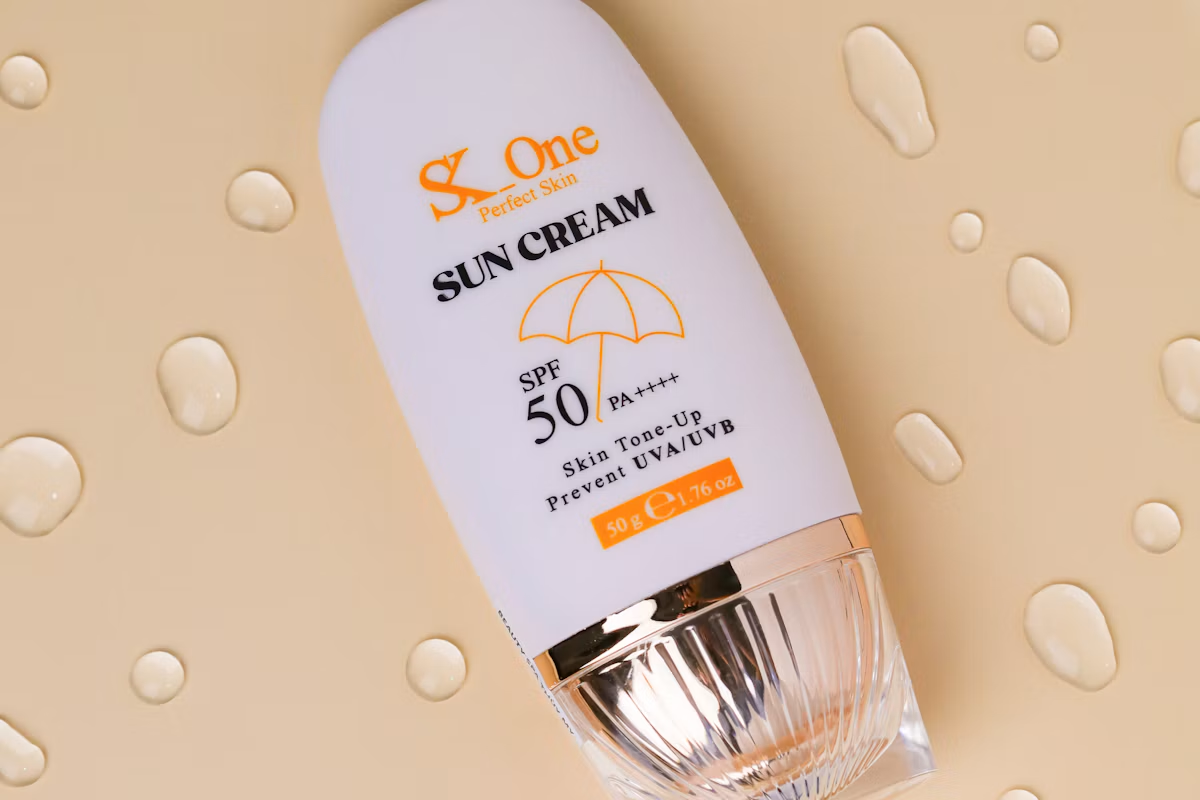
Sunscreen comes next, and it does real work: the AAD says daily use can prevent new dark spots and help clear existing ones. Apply it to all exposed skin before you go out, reapply every two hours and after sweating, and add a wide-brimmed hat.
Then be patient, because marks take months to fade and deeper pigment can take years. For a tan in particular, the guide to removing tan from the face goes into more detail.

Gentle actives that help even out skin tone
With the cause handled and sunscreen in place, a product that fades marks tends to work better. The AAD lists ingredients to look for in products sold without a prescription: azelaic acid, glycolic acid, kojic acid, retinol and vitamin C. Introduce one at a time and stop if it burns or stings, since irritation can create new marks. Stronger creams are something a doctor may prescribe.
Some products do more harm than good. The AAD warns that some dark-spot products have been found to contain steroids or mercury not listed on the label, and that steroids used this way can thin the skin or discolour it permanently. The FDA has also warned against strong peel products used without professional supervision, which can cause burns, infection and scarring. The article on a chemical peel at home versus in clinic explains the difference.
NOT SURE WHAT YOUR MARKS ARESend us a short description of the patches or marks and how long you have had them. We will explain how the doctor assesses uneven skin at Amber.
How a course of light medical peels helps
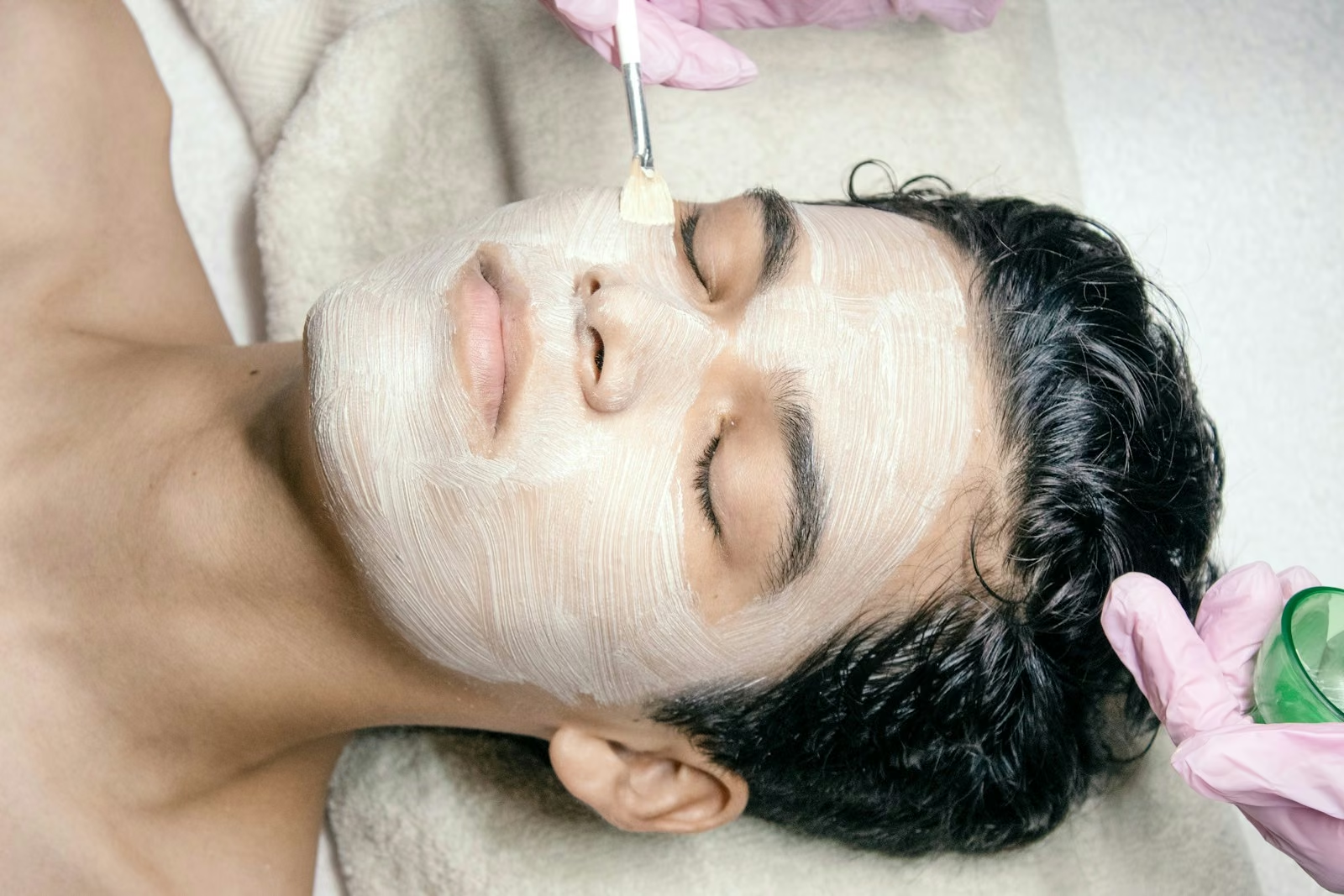
A chemical peel removes layers of sun-damaged surface cells, leaving a more even surface and colour, and DermNet notes it may also encourage new collagen. The catch for Indian skin is pigment. Darker skin types carry a higher risk of pigment changes and raised scars after peels, which is why, DermNet explains, lighter peels are used. The AAD adds that without experience in treating darker skin tones, peels can cause permanent pigment problems.
Light peels also work gradually. DermNet notes that the first may disappoint, with clearer improvement after repeated sessions, and the AAD says three to five light peels may be needed, two to five weeks apart. Expect some redness and light flaking for a few days after each one.
At Amber, peel depth is chosen conservatively for Indian skin, because a course of lighter peels usually does more good than one strong one. The doctor uses mesoestetic peels, chosen after looking at your skin, and sunscreen and home care are part of every plan.
When pigment sits deeper: laser toning
Pigment that lies deeper in the skin fades more slowly, and melasma tends to come back. When peels are not the right fit, the doctor may suggest laser toning. At Amber this is a low-fluence Q-switched Nd:YAG laser that works on pigment without peeling the skin, usually as six to ten sessions two to four weeks apart.
Melasma is managed, not cured, and maintenance sessions are likely. Nobody can promise a particular result, from laser toning or anything else, and sunscreen stays the base of the plan. The guide to melasma treatment explains those options in more detail.
When to wait, and when to see a doctor first
Light peels are usually well tolerated, but the AAD lists possible side effects: redness that can last for months, temporary darkening and, rarely, scarring. The risk rises if you skip sun protection, pick at peeling skin, wear make-up before the skin heals or use a tanning bed. DermNet adds infection, including cold sores, and blotchy pigment, which is more likely in darker skin.
It is better to wait if:
- your skin is freshly tanned or sunburnt;
- acne is flaring, or there is eczema, broken skin or a cold sore in the area;
- you are pregnant or breastfeeding, which the doctor needs to know, as many treatments wait until after;
- you use a retinoid or another strong active, which the doctor needs to know about first;
- you have had keloid scars before.
See a doctor before treating a patch yourself if a spot is new, changing, bleeding or looks unlike the others, if redness comes and goes with burning or stinging, which the NHS lists among the early signs of rosacea, or if dark patches appeared after starting a new medicine.
Questions people ask about uneven skin tone
Can uneven skin tone be fixed for good?
Marks can fade, but new ones can form, so it is better to think in terms of control. The AAD notes that you can clear dark spots and help prevent new ones with daily sunscreen, gentle products and treating the cause. Melasma is managed, not cured, and usually needs maintenance.
How long does it take to even out skin tone?
It depends on the cause and the depth. According to the AAD, a mark a few shades darker than your skin usually fades within six to twelve months once the cause stops, but deeper pigment can take years. Treatment can speed this up, and a course of light peels or laser toning is planned over several months.
Are chemical peels safe for Indian skin?
They can be, with care. DermNet notes that darker skin types have a higher risk of pigment changes and scarring after peels, so lighter peels are used, and the AAD warns that peels done without experience of darker skin can cause lasting pigment problems. At Amber, depth is chosen conservatively, usually as a course of lighter peels.
Which sunscreen helps with uneven skin tone?
The AAD recommends a tinted sunscreen with iron oxide, which also protects against visible light. It should be SPF 30 or higher, broad-spectrum and water-resistant, and non-comedogenic if your skin is oily. Choose one that blends with your skin tone, apply it before you go out, and reapply every two hours and after sweating.
How much does treatment for uneven skin tone cost in Lucknow?
Amber quotes after the doctor’s assessment rather than publishing a figure, because the plan depends on what is causing the unevenness and whether home care, light peels or laser toning suits it. You see a written quote before anything is booked. The chemical peel cost article explains what shapes it. Message the clinic on WhatsApp to start.
If your skin tone has been uneven for a while, start with how the doctor plans chemical peels at Amber in Gomti Nagar, where the assessment comes first. To ask about your own skin, message the clinic on WhatsApp.
Sources
- How to fade dark spots in darker skin tones, American Academy of Dermatology
- Chemical peels: FAQs, American Academy of Dermatology
- Chemical peels, DermNet
- Warning on chemical peel products used without professional supervision, US Food and Drug Administration
- Rosacea, NHS
Considering this for yourself?
The honest answer for your skin comes from an assessment, not an article. Explore the treatment, or reserve an unhurried consultation with the doctor.