Chemical Peel for Acne Scars: What It Can and Cannot Do
When acne finally settles, what it leaves behind can bother people as much as the spots did. A chemical peel for acne scars is often the first treatment they ask about, because peels are familiar, quick and, when kept light, need little downtime. The honest answer is that peels help some kinds of acne damage far more than others.
This article explains the difference between marks and scars, what a light peel can realistically improve, why deep scars usually need a different route, how peels are planned for Indian skin, what recovery looks like, and when it is better to wait.
Marks or scars: why the difference matters
Not everything acne leaves behind is a scar. The American Academy of Dermatology explains that a flat spot of colour after a breakout has cleared is usually post-inflammatory hyperpigmentation, not a scar. DermNet notes these brown marks are more common in darker skin and often fade with time, although that can take months or longer.
A true scar changes the texture of the skin. Most acne scars are depressed: narrow, deep ice-pick scars, wider boxcar scars with sharp edges, and rolling scars with soft, sloping edges. Less often, scars are raised. The Academy adds that while scars can soften, they rarely disappear completely on their own. Which of these you have decides what will help.
What a chemical peel for acne scars can improve
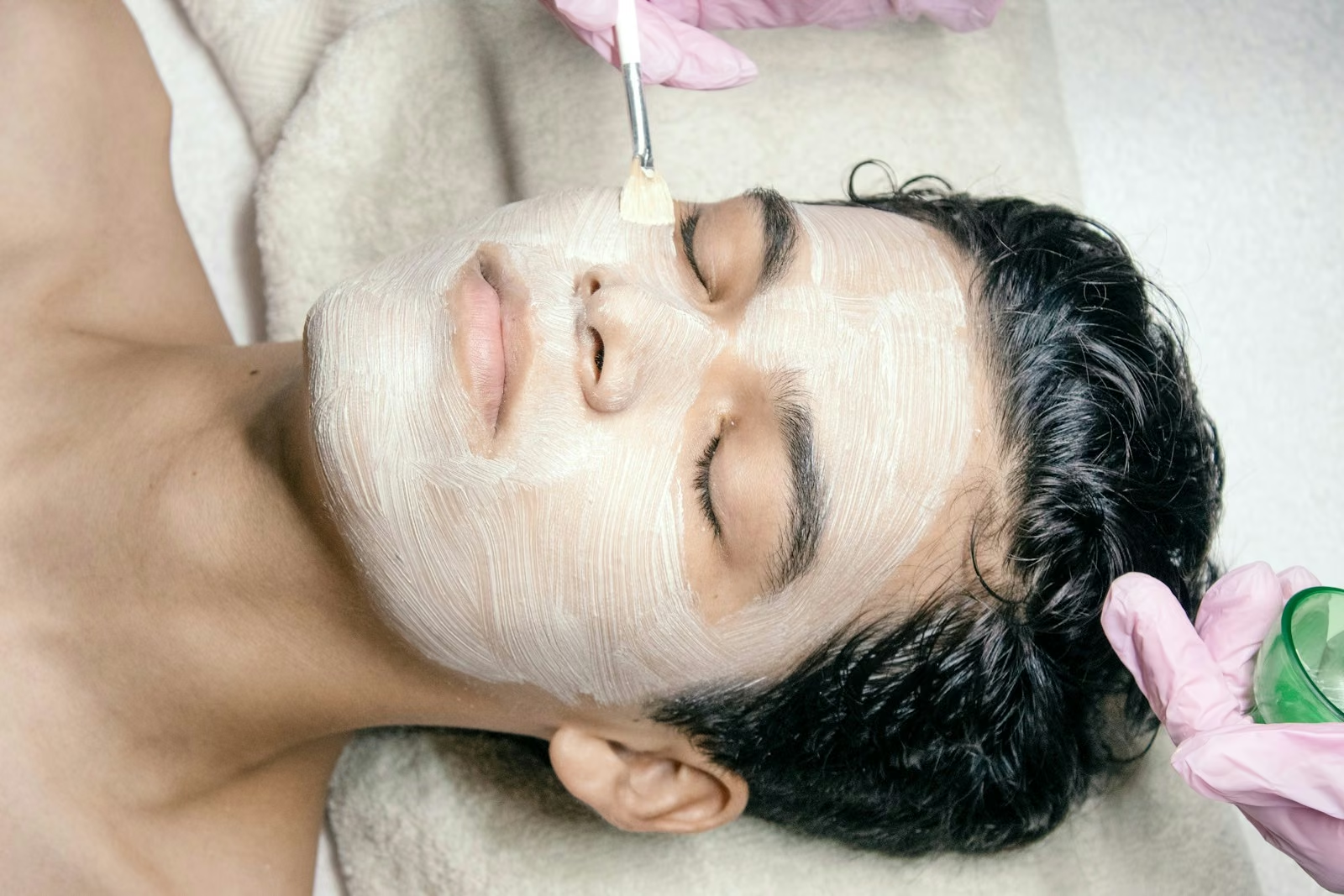
A peel applies a controlled acid to the skin so that the outer layers shed and fresher skin replaces them. Superficial peels work at the surface, which is why they suit flat brown marks, uneven tone and fine, shallow texture. DermNet describes resurfacing treatments, peels among them, as most useful for more superficial acne scars, and notes that the first light peel can be underwhelming while a series usually brings clearer improvement.
Deeper peels reach further, but even a medium-depth peel makes only some acne scars less obvious and has no effect on deep furrows, according to DermNet. In practice, a chemical peel for acne scars works best on marks and mild texture, and as one part of a wider plan for deeper scarring.

Why deep scars usually need a different route
Most ice-pick and boxcar scars sit below the reach of a superficial peel. These usually respond better to treatments that work deeper in the skin, such as microneedling or RF microneedling, which encourage the skin to remodel from within. At Amber, the scar type decides the route, and the acne scar treatment article explains how those options are planned. Some deep scars need surgical techniques that Amber does not offer.
Raised scars are different again. DermNet notes they tend to recur even after treatment, and they need a doctor’s plan rather than a peel.
MARKS OR SCARSNot sure which you have? Tell us what your skin looks like now and what you have tried, and we will explain how the doctor assesses it at Amber.
Peels and Indian skin: why lighter is safer
Depth is where the risk sits. DermNet notes that people with medium to dark skin, which includes most Indian skin, have a higher risk of patchy pigmentation and of raised or keloid scars after peels, so peels must be done cautiously. The American Academy of Dermatology agrees that darker skin can be peeled safely, but by a doctor experienced in treating it, because otherwise lasting pigment problems can follow.
That is why the doctor at Amber chooses peel depth conservatively, using the mesoestetic range, and why a course of lighter peels usually beats one strong one. The Academy notes that light peels often need repeating three to five times, two to five weeks apart, and some people follow a skin care plan for a few weeks beforehand.

What recovery looks like after a light peel
DermNet describes mild redness and occasional swelling that usually settle within a couple of days, followed by peeling similar to a sunburn. Most people carry on with normal activities. The Academy’s advice for the healing phase is consistent:
- keep the skin moisturised with a simple cream until it settles;
- do not pick or peel flaking skin, which can cause infection and scarring;
- use sunscreen every day and avoid tanning, since sun on healing skin raises the risk of dark patches;
- contact the clinic if the skin burns, itches or swells.
For more detail, the guide to chemical peel aftercare covers the first two weeks.
When to wait, and the risks to know
Acne must be quiet before scar treatment starts. DermNet is clear that active acne should be treated first, and deep, painful or cystic breakouts need a doctor’s care before anything else. It is also better to wait if:
- you are taking isotretinoin, since the NHS advises against chemical peels during treatment; the doctor will advise on timing afterwards;
- there is a cold sore, infection, broken skin, sunburn or a fresh tan on the face;
- you are pregnant or breastfeeding, which you should always tell the doctor about;
- you have had keloid scars before, which needs discussing first.
Even with care, side effects can happen. The Academy lists redness that can last for months, temporary darkening and, rarely, scarring. Nobody can promise a particular result, and improvement builds gradually over a course.
Questions people ask about peels for acne scars
Can a chemical peel remove acne scars completely?
No. Light peels can soften flat marks, uneven tone and shallow texture, but they do not lift deep, depressed scars, and the American Academy of Dermatology notes scars rarely disappear completely. The realistic aim is skin that looks smoother and more even over a course, with deeper scars treated by other methods.
How many peels will I need?
It depends on your skin and what is being treated. The American Academy of Dermatology notes that light peels often need repeating three to five times, two to five weeks apart, and DermNet says the first may be underwhelming. The doctor plans the number after assessing your skin and reviews it as you go.
Is a peel or microneedling better for acne scars?
Neither is better in every case, because the scar type decides. Peels suit flat marks, tone and fine texture, while deeper ice-pick, boxcar and rolling scars usually respond better to microneedling or RF microneedling. DermNet notes that combining treatments is common, so a plan may include both at different stages.
How much does a chemical peel for acne scars cost in Lucknow?
Amber quotes peels after the doctor’s assessment rather than publishing a figure, because the peel, the number of sessions and any combined treatment depend on your scars and skin. The chemical peel cost article explains what shapes it. Message the clinic on WhatsApp to start.
Can I use an at-home peel instead?
Home products are much milder, so they may help tone slightly but are unlikely to change true scars. The American Academy of Dermatology stresses that peel results depend on the skill of the person doing them, and darker skin carries extra pigment risk. The guide to at-home versus clinic peels compares both.
If you would like to know whether peels suit your marks or scars, read how the doctor plans chemical peels at Amber in Gomti Nagar, or message the clinic on WhatsApp with your questions.
Sources
- Acne scars: Overview, American Academy of Dermatology
- Acne scarring, DermNet
- Chemical peels: FAQs, American Academy of Dermatology
- Chemical peels, DermNet
- Isotretinoin: a medicine for severe acne, NHS
Considering this for yourself?
The honest answer for your skin comes from an assessment, not an article. Explore the treatment, or reserve an unhurried consultation with the doctor.