
Dark Spots on Face: Types, Causes and What Helps

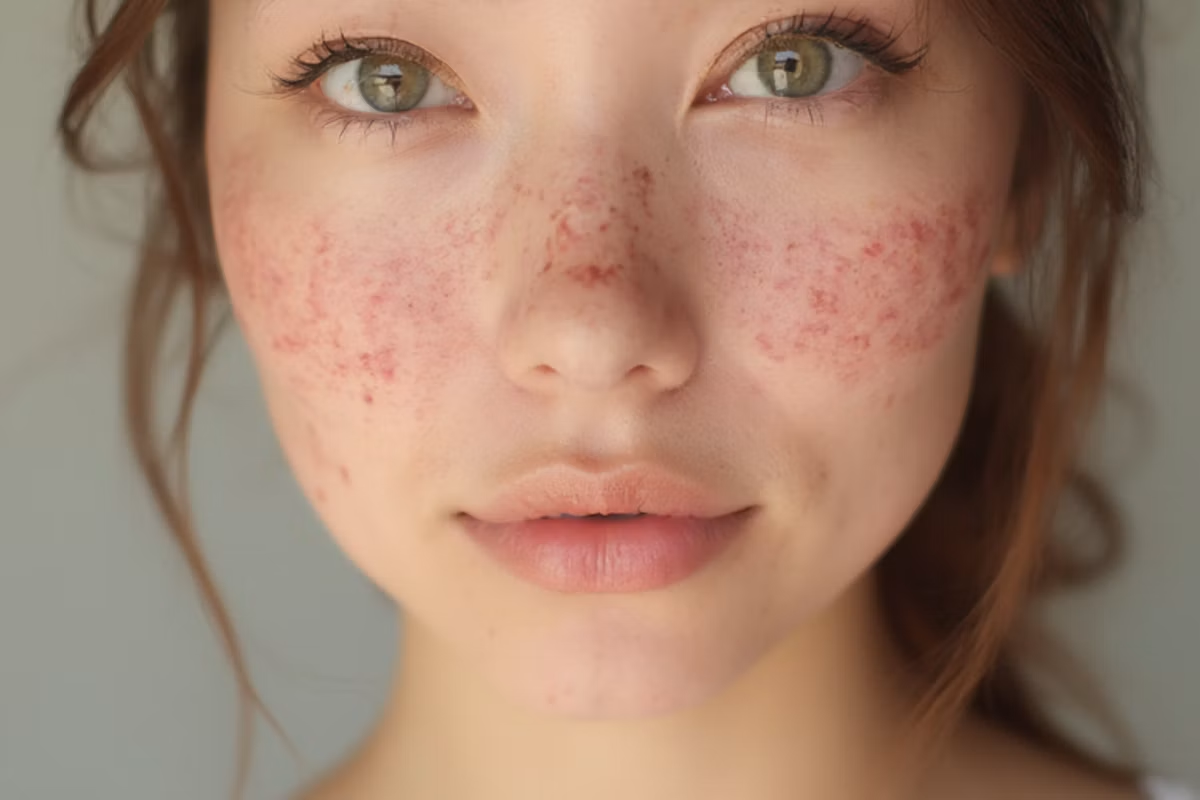
Most people who look up dark spots on face are describing one of four different things: marks left by pimples, sun spots, melasma or freckles. They can look alike in the mirror, but they have different causes, fade at different speeds and respond to different treatments, so the first step is working out which one you have.
This article explains how to tell them apart, why sunscreen comes first, which home care has evidence behind it, how clinic treatments are chosen, and when a spot needs a doctor before any treatment at all.
The four common kinds of dark spots on face
- Marks after inflammation. Flat brown marks where a pimple, rash, cut or burn has healed, called post-inflammatory hyperpigmentation. The American Academy of Dermatology (AAD) says dark spots are one of the most common reasons people with darker skin see a skin doctor, and DermNet adds that in darker skin these marks tend to be more intense and last longer. Our pimple marks guide covers the acne side.
- Sun spots. Well-defined brown spots of fairly even colour on sun-exposed skin, also called age spots or solar lentigines. DermNet describes them as harmless, most common from middle age, and often found on the face in Asian skin. Unlike freckles, they stay all year.
- Melasma. Blotchy brown or greyish patches, often on both cheeks, the forehead, the chin or above the upper lip. The AAD says it is most common in women, especially those with medium to dark skin, often starts in pregnancy or with birth control pills, and looks darker in summer. Our melasma treatment guide goes deeper.
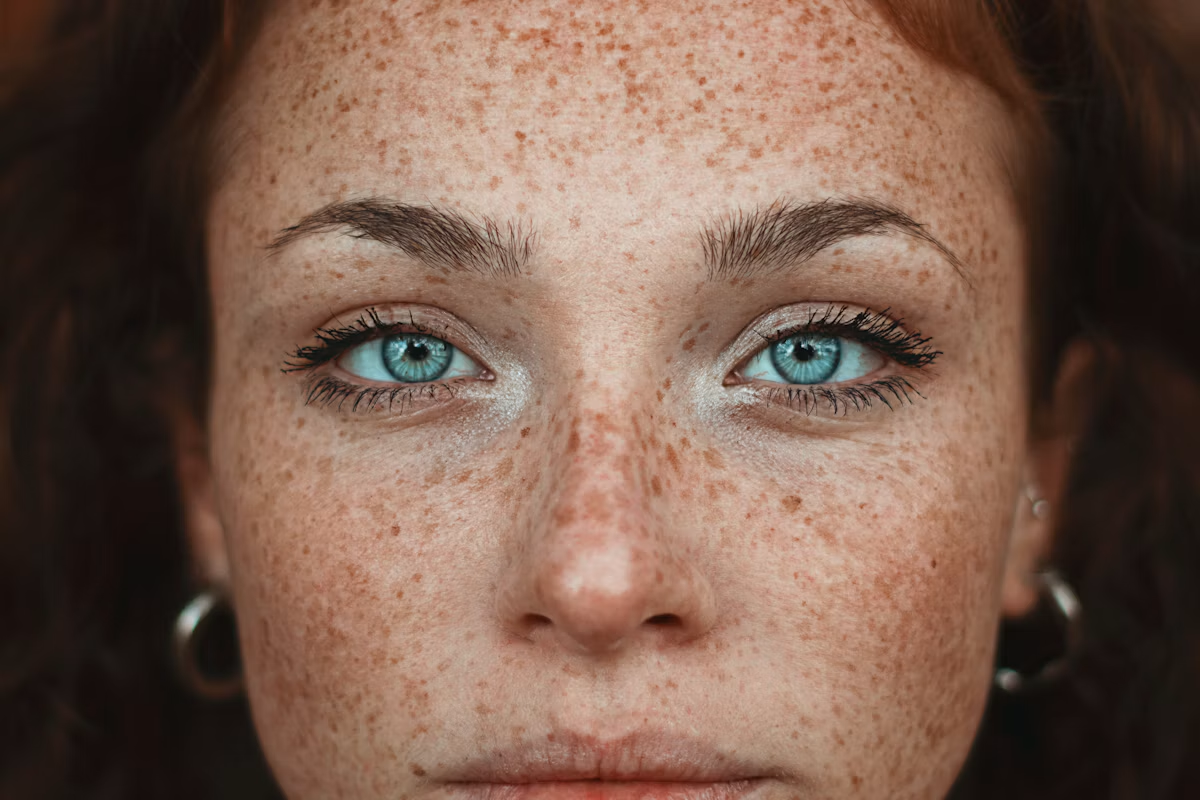
- Freckles. Small, flat, light to dark brown spots, mostly on the nose and cheeks, that are more prominent in summer and fade in winter. They are harmless.
Why the cause decides the treatment
The AAD is clear that treatment depends on what is causing the spots. For marks after inflammation, that means treating the acne, eczema or irritation first. Once nothing new is triggering the skin, many marks fade on their own, though slowly, and pigment that sits deep in the skin takes longest.
Products can be a hidden cause. When a skin or hair product irritates your skin, it can leave new marks behind, and the AAD suggests switching to gentler, fragrance-free products. Some medicines can darken skin too, but never stop a prescribed medicine on your own: ask the doctor who prescribed it.
Sunscreen comes first
Every plan for dark spots on face starts with sun protection, because sunlight darkens existing spots and helps new ones form. The AAD recommends a broad-spectrum, water-resistant sunscreen of SPF 30 or higher, and for darker skin a tinted one containing iron oxide, which also protects against the visible light that can deepen pigment. Apply it to all skin that clothing will not cover before you go out, reapply every two hours and after sweating, and add a wide-brimmed hat.
In Lucknow, where the sun is strong for much of the year, this step decides whether any other treatment holds. DermNet notes that strict sun protection also lowers the risk of new sun spots and can lighten existing ones a little.
NOT SURE WHICH SPOTS YOU HAVESend us a short description of where the spots are and how long you have had them. We can explain how the doctor tells the types apart at a consultation.
Home care that can help
Once the cause is under control and sunscreen is a daily habit, a product that evens out skin tone tends to work better. The AAD lists azelaic acid, glycolic acid, kojic acid, vitamin C and retinoids such as retinol as ingredients that can fade existing spots, and DermNet includes niacinamide among the creams used for marks after inflammation. Stronger retinoids and other prescription creams are something a doctor may prescribe.
Introduce one product at a time, give it time, and stop anything that burns or stings. Buy from trusted sources: the questions below explain why.
Clinic treatments for dark spots on face, chosen by type
When home care is not enough, peels and lasers can speed things up, but the choice depends on the type of spot. DermNet lists chemical peels and pigment lasers, such as the Nd:YAG, among the options for sun spots, and notes that for marks after inflammation they can help pigment near the surface but can also worsen it if they injure the skin.
At Amber, the doctor matches the treatment to the spot. Laser toning uses the Lutronic Spectra XT, a low-fluence Q-switched Nd:YAG laser that targets pigment without peeling, usually over six to ten sessions two to four weeks apart. Chemical peels are chosen conservatively for Indian skin, as a course of lighter peels rather than one strong one. Tanning and marks after inflammation tend to respond fastest. Melasma is managed, not cured: it often returns with sun, heat and hormones, so maintenance is likely, and the Cosmelan peel, which includes a home phase, is an option for stubborn cases.
When to see a doctor first, and when to wait
Most dark spots are harmless, but some skin cancers can look like an ordinary spot, and DermNet notes that sun spots can be mistaken for early melanoma. The NHS advises seeing a doctor about any mole or mark that:
- has changed in size, shape or colour, or has more than two colours;
- has uneven edges;
- is painful, itchy, inflamed, crusty or bleeding;
- is new or unusual and has not gone away after a few weeks.
A spot like this needs checking before any peel or laser goes near it. It is also better to wait while acne or a rash is still active. Treatment carries its own risks too: DermNet notes that lasers can leave lighter or darker patches, sometimes permanently, which is why settings and peel depth are chosen conservatively.
If you are pregnant or breastfeeding, tell the doctor first, as many treatments wait until afterwards. The AAD advises waiting until after the baby is born to treat melasma, which sometimes fades on its own.
Questions people ask about dark spots on face
How long do dark spots take to fade?
It depends on the type and how deep the pigment sits. The American Academy of Dermatology says a mark a few shades darker than your skin usually fades within six to twelve months once its cause has stopped, while deeper pigment, often slate blue to grey, can take years. Daily sunscreen, the right home care and, where suitable, clinic treatment can shorten that.
Can dark spots come back after treatment?
Yes. Spots can fade, but the American Academy of Dermatology notes that new ones can form, and melasma in particular tends to return with sun exposure and hormonal change. That is why sunscreen stays in every plan after treatment ends, and why melasma usually needs maintenance. Nobody can promise that spots will never return.
Are skin-lightening creams safe for dark spots?
Some are, and some are not. The American Academy of Dermatology warns that certain imported products have contained steroids or mercury that were not on the label, which can cause rashes, thinning and permanent discolouration. Choose products from trusted sources, introduce them one at a time, stop anything that stings, and never put bleach on your skin.
Is laser toning or a chemical peel better for dark spots?
Neither is better for everyone. Laser toning suits melasma and other pigment without peeling, while a course of light peels can help marks and tan that sit near the surface, and some people need more than one approach. The doctor decides after seeing which type of spot you have, how deep it sits and how your skin has reacted before.
How much does dark spot treatment cost in Lucknow?
Amber quotes treatment for dark spots after the doctor’s assessment rather than publishing a figure, because the right approach depends on the type of spot, how deep the pigment sits and how many sessions your skin needs. The pigmentation treatment cost article explains what shapes it. Message the clinic on WhatsApp to start.
If you would like your spots looked at properly, start with how the doctor plans laser toning at Amber in Gomti Nagar. To ask a question first, message the clinic on WhatsApp.
Sources
- How to fade dark spots in darker skin tones, American Academy of Dermatology
- Postinflammatory hyperpigmentation, DermNet
- Solar lentigo, DermNet
- Melasma overview, American Academy of Dermatology
- Moles, NHS
Considering this for yourself?
The honest answer for your skin comes from an assessment, not an article. Explore the treatment, or reserve an unhurried consultation with the doctor.