
Types of Acne Scars: Which Treatments Suit Each
Acne can leave two kinds of reminder: flat marks that change the colour of the skin, and true scars that change its surface. Understanding the types of acne scars is the first step to choosing treatment, because a deep, narrow scar and a wide, shallow one rarely respond to the same approach. The American Academy of Dermatology (AAD) notes that most people with acne scars have the depressed kind, which gives skin a rough, uneven look.
This article explains each type, how to tell marks from scars, how scar type shapes the treatment plan, what microneedling can and cannot do, and who should wait before any scar treatment.
Depressed scars: ice pick, boxcar and rolling
Most acne scars are atrophic, meaning tissue was lost as the spot healed. DermNet describes three main types:
- Ice pick scars are narrow, deeper than they are wide and V-shaped, with a sharp edge running down into the deeper layers of the skin. DermNet says they are the most common atrophic type.
- Boxcar scars are wider, round or oval dips with distinct edges.
- Rolling scars are wide, with sloping edges, and they smooth out when the skin is stretched.
Many people have more than one type. DermNet also describes hybrid scars, which combine a dip or a raised area with redness or pigment. The mix matters, because each part may need a different approach.
Raised scars: hypertrophic and keloid
Less often, acne heals with too much scar tissue rather than too little. A hypertrophic scar is raised but stays the size of the spot that caused it. A keloid grows larger than the original spot and can keep changing over time. DermNet notes that raised acne scars form more often along the jawline, chest and upper back, and that keloid scarring is more common in skin of colour.
Raised scars need a doctor’s plan rather than a cosmetic one. DermNet notes they are prone to come back even after treatment that seemed to work, and the US Food and Drug Administration (FDA) lists keloid scars, or a history of them, among the reasons microneedling may not be suitable. Amber does not offer keloid treatment, so if a raised scar is your main concern, start with a medical opinion on the right route.
Marks that are not scars
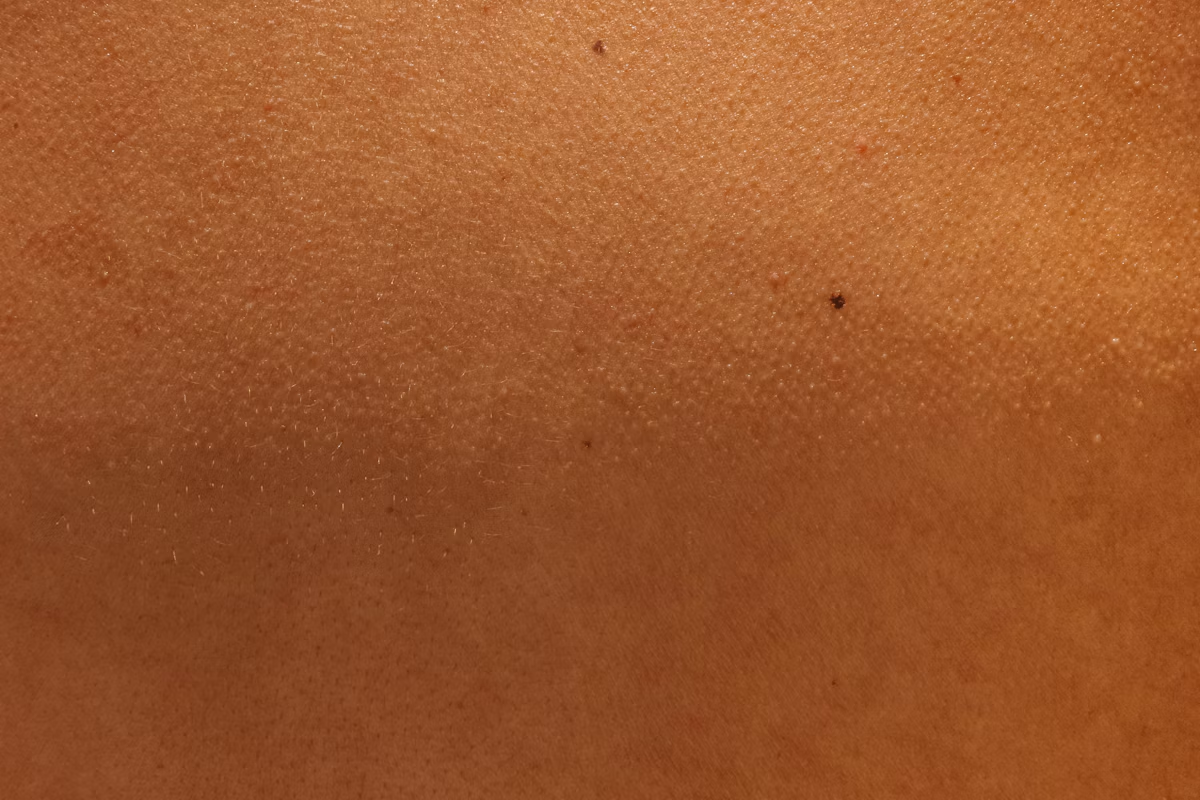
Not every mark left by acne is a scar. The AAD explains that a flat spot of colour after a pimple clears is usually not a scar but post-inflammatory hyperpigmentation, a darkening of the skin after inflammation. DermNet notes that this darkening is more common in darker skin types, while lighter skin more often shows lingering redness.
The difference matters. DermNet says these colour changes often improve with time, though it can take months or longer, while true scars change the surface and rarely disappear on their own. At Amber, sunscreen and home care are part of every pigment plan, and when colour is the main problem, light peels or laser toning target pigment rather than texture.
NOT SURE WHICH TYPE YOU HAVESend us a message about your scars or marks, and we will explain how the doctor assesses scar type before suggesting a plan.
How the types of acne scars shape treatment
DermNet is clear that acne scar treatment has to be individual, based on the size, depth, nature and location of the scars, your skin type, and what you hope to change. More than one treatment is often combined, and several sessions are usually needed.
Resurfacing treatments, a group that includes chemical peels, laser resurfacing and skin needling, encourage the skin to remodel, and DermNet notes they may be best for more superficial scars. In practice, shallower scars tend to respond better to needling than deep, narrow ice pick scars. DermNet also describes techniques such as subcision, which frees scars tethered from below, and ablative laser resurfacing. Amber does not offer these, and an honest assessment should tell you if one of them would suit your scars better.
Microneedling and RF microneedling at Amber
For depressed scars, Amber’s route is microneedling, in two forms. Classic microneedling uses SkinPen Precision, an FDA-cleared device that makes tiny, controlled punctures to prompt the skin to remodel. RF microneedling uses Sylfirm X, which adds radiofrequency energy through the needles. Every treatment uses sterile single-use cartridges, and the FDA stresses that cartridges should never be reused between patients or sessions.
Which one suits you depends on the scar type, its depth and your skin, and the doctor decides after examining you. Active acne must be quiet first, which DermNet also advises. Expect a course rather than a single visit, since the FDA notes more than one procedure may be needed. Improvement is gradual, and nobody can promise a particular result. The article on how MNRF treatment works explains the RF route in more detail.
Who should wait, and the side effects to expect
The FDA lists common short-term effects of microneedling as redness, dryness, tightness, itching, peeling, discomfort, bruising, bleeding and crusting. Less common risks include changes in skin colour, a flare of cold sores and infection. It also lists situations in which microneedling may not be suitable, including:
- active acne, a rash or a skin infection on the face, including a cold sore outbreak;
- taking isotretinoin, an acne tablet a doctor may prescribe, now or within the past six months;
- keloid scars, or a history of them;
- a bleeding or clotting disorder, or taking blood thinners;
- a tan, or plans to be in the sun in the two weeks after treatment;
- pregnancy or breastfeeding.
The FDA also notes a risk of skin darkening or lightening after microneedling in darker skin types, which is one more reason for a careful assessment first. If any of these apply to you, tell the doctor. Sometimes the advice is to wait, or to do less.
Questions people ask about types of acne scars
Can acne scars be removed completely?
Usually not. DermNet describes acne scars as usually permanent, although they may improve over time or with treatment, and the AAD says they rarely go away completely on their own. A realistic aim is softer, less noticeable scars and smoother-looking skin, built gradually over a course of sessions.
Do acne marks fade on their own?
Often, yes. Flat red or dark marks left after acne are not true scars, and DermNet notes that these colour changes often improve with time, although it can take months or longer. Not picking helps, because the AAD notes that picking increases inflammation and the risk of discolouration. Sunken or raised scars, by contrast, remain.
How many microneedling sessions will I need for acne scars?
Most people need a course rather than one session, and the FDA notes that more than one procedure may be needed for the improvement you want. The exact number depends on the types of acne scars you have, how deep they are and how your skin responds, so the doctor sets the plan after examining you.
Can I treat scars while I still get pimples?
It is better not to. DermNet advises treating active acne before starting scar treatment, and at Amber acne must be quiet first. New deep breakouts can also leave new scars. If spots keep returning, the article on why acne is not going away explains what a doctor looks at.
How much does acne scar treatment cost in Lucknow?
Amber quotes after the doctor’s assessment rather than publishing a figure, because the plan depends on your scar types, how many sessions are likely and whether classic or RF microneedling suits you. You see a written quote before anything is booked. The acne scar treatment cost article explains more. Message the clinic on WhatsApp to start.
Knowing which types of acne scars you have makes the conversation about treatment much clearer. To see how the doctor chooses between classic and RF microneedling, read about microneedling at Amber in Gomti Nagar. To ask about your own scars first, message the clinic on WhatsApp.
Sources
- Acne scars: overview, American Academy of Dermatology
- Acne scarring, DermNet
- Microneedling devices, US Food and Drug Administration
Considering this for yourself?
The honest answer for your skin comes from an assessment, not an article. Explore the treatment, or reserve an unhurried consultation with the doctor.