Melasma Treatment: What Works and Why It Comes Back

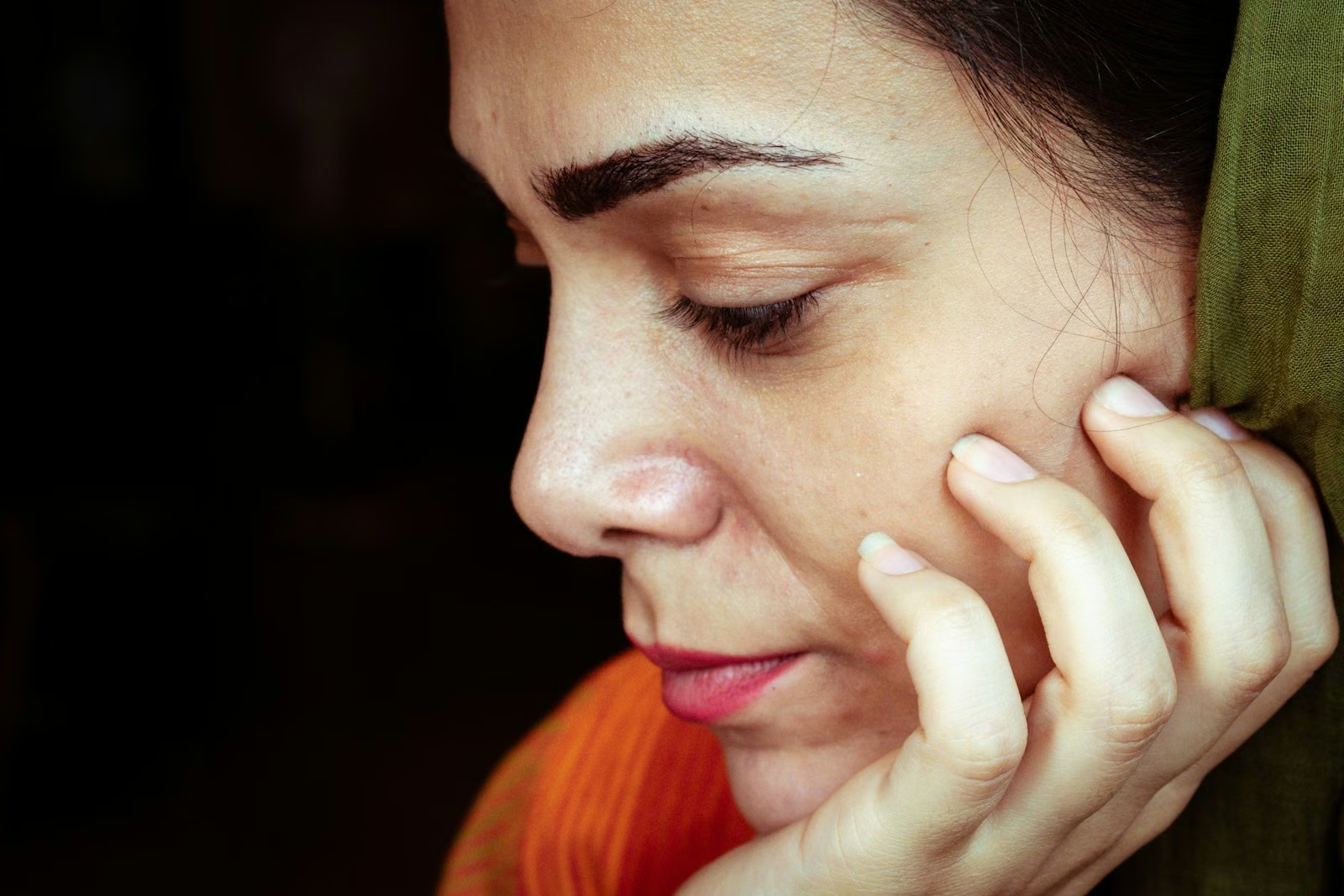
Melasma is the patchy brown pigment that settles symmetrically on the cheeks, forehead, nose and upper lip. It is common in skin that tans easily, which makes it a familiar problem in India, and most people looking up melasma treatment want it gone for good. The honest answer is that melasma is managed, not cured. It can fade a great deal, but it tends to return with sun, heat and hormones.
This article explains what drives melasma, the layers of a sensible plan, from sunscreen and prescription creams to peels and laser toning, how long results take, why treating it too hard can backfire, and how to keep it from coming back.
What melasma is, and why it behaves differently
Melasma happens when pigment cells become overactive. DermNet lists the main triggers as sun exposure, including visible light as well as UV, hormones such as pregnancy and the contraceptive pill, and a family history of the condition. Perfumed soaps and cosmetics can play a part too. The American Academy of Dermatology stresses that melasma cannot harm your body, and that it sometimes fades by itself once a trigger such as pregnancy has passed.
Depth matters. A doctor can examine the patches closely, sometimes with a special lamp or a dermatoscope, to judge how deep the pigment sits. DermNet notes that pigment near the surface usually responds well, deeper pigment responds poorly, and the most common mixed type improves partly. Other conditions, such as marks left by acne or sun spots, can look similar, which is why the diagnosis comes first.
Melasma treatment starts with sun protection
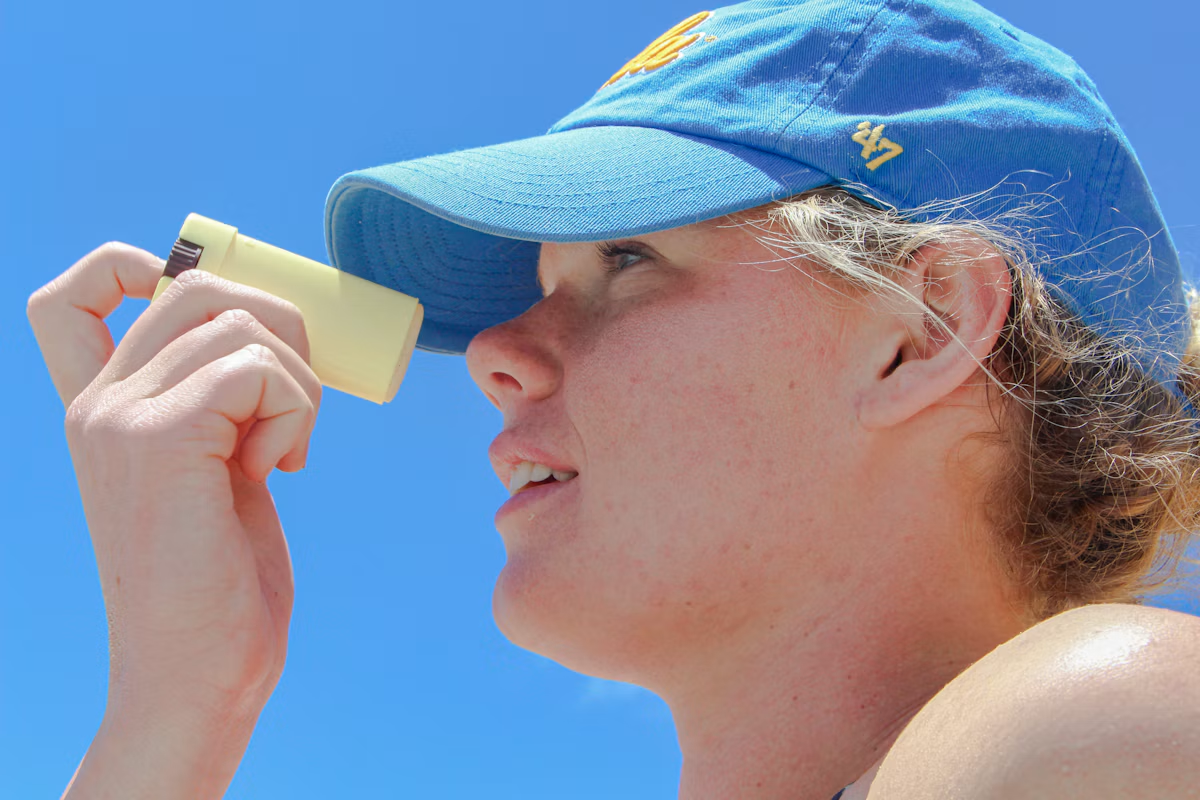
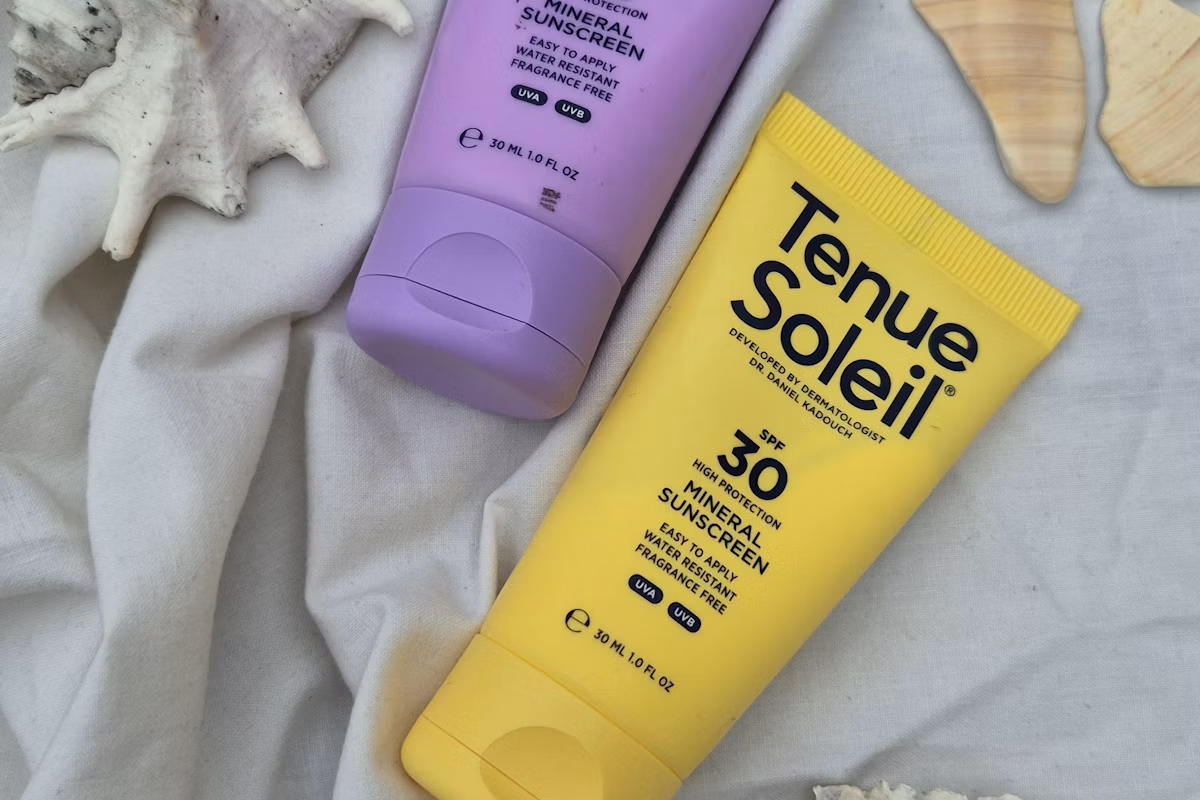
Sunlight tells the skin to make more pigment, so every other step depends on this one. The American Academy of Dermatology advises a broad-spectrum, water-resistant sunscreen of SPF 30 or higher every day, reapplied at least every two hours outdoors, with shade and a wide-brimmed hat where possible. Visible light also worsens melasma, especially in darker skin, so the Academy recommends a tinted sunscreen containing iron oxide.
That applies all year in Lucknow, including the winter months, as the guide to sunscreen in winter explains. Keep the rest of your routine gentle and fragrance-free too. The Academy warns that a product which burns or stings is irritating the skin, and irritation can darken the patches.
Prescription creams and tranexamic acid
Most plans include a cream applied at home. The Academy lists hydroquinone, a combination of tretinoin with a mild corticosteroid, and a triple combination cream that brings all three together, which DermNet describes as the most successful formulation. Gentler options a doctor may prescribe include azelaic acid, kojic acid and vitamin C.
These are medicines rather than cosmetics, and they need a doctor’s supervision. DermNet notes that hydroquinone can irritate the skin, that very strong versions used for years have been linked to a lasting dark discolouration, and that its safety in pregnancy and breastfeeding has not been established.
For melasma that resists other treatment, a doctor may discuss tranexamic acid, as a tablet or applied to the skin. It is a prescription medicine used off-label for melasma. DermNet lists a history of blood clots, stroke or heart disease among the reasons it is unsuitable, and notes melasma can return when it is stopped.
PATCHES THAT KEEP RETURNINGTell us how long you have had them and what you have tried so far. We will explain how the doctor assesses pigment at Amber.
Peels and laser toning: useful, with caution
When melasma is stubborn, the Academy notes that a doctor may add a procedure, such as a chemical peel or a laser treatment, to sunscreen and creams rather than in place of them. DermNet is candid that peels and lasers carry a risk of worsening melasma or leaving new dark marks, and that some lasers carry a high risk of relapse, so they are used with caution and careful judgement of depth and settings.
At Amber, peels for pigment are chosen conservatively. For stubborn melasma the doctor may suggest the Cosmelan peel, which pairs an in-clinic step with a home phase, as the Cosmelan peel article describes, and lighter mesoestetic peels are used where they suit.
Laser toning uses a low-fluence Q-switched Nd:YAG laser, the Lutronic Spectra XT, with no peeling afterwards. A course is usually six to ten sessions, two to four weeks apart, and maintenance sessions are likely for melasma, because the tendency remains.
The risks of treating melasma too hard
Melasma punishes impatience. Strong peels, high laser settings, scrubbing and harsh home remedies can inflame the skin, and in brown skin inflammation often leaves more pigment behind. It is better to wait, or to choose a gentler step, if:
- you are pregnant or breastfeeding, when many treatments are postponed and melasma can ease after the baby arrives;
- your skin is sunburnt, freshly tanned, irritated or peeling from another product;
- a patch is raised, changing, bleeding or looks different from the rest, which needs a doctor’s examination before any cosmetic treatment.
How long results take, and keeping melasma away
The Academy says results usually take between three and twelve months, and longer if melasma has been present for years. DermNet adds that even after a good result, pigment can reappear with summer sun. That is why sunscreen and home care stay in every plan, and why maintenance is part of the conversation from the start rather than a surprise later. If you take the contraceptive pill or hormone therapy, discuss it with the doctor who prescribes it rather than stopping it on your own.
Questions people ask about melasma treatment
Is there a permanent fix for melasma?
No. Melasma is managed, not cured. Treatment can lighten it, sometimes substantially, but the tendency stays in the skin and pigment often returns with sun, heat and hormonal change. Daily sun protection, gentle skin care and occasional maintenance treatment are what keep results steady over the long term.
Does melasma go away on its own?
Sometimes. The American Academy of Dermatology notes that melasma triggered by pregnancy or a medicine can fade once the baby is born or the medicine is stopped by your doctor. For many people, though, it lasts for years. Sun protection helps either way, because sunlight darkens existing patches.
Is laser toning safe for melasma?
It can help when it is used carefully, at low settings, alongside sunscreen and creams. DermNet warns that lasers carry a risk of relapse and of new dark marks, which is why settings are kept conservative and the plan includes maintenance. It suits some people better than others, and the doctor assesses your skin first.
How much does melasma treatment cost in Lucknow?
Amber quotes melasma treatment after the doctor’s assessment rather than publishing a figure, because the plan depends on the depth of the pigment and which layers you need. The laser toning cost article explains what shapes it. Message the clinic on WhatsApp to start.
Can I treat melasma while pregnant?
Tell the doctor if you are pregnant or breastfeeding, because many melasma treatments are postponed until afterwards. DermNet notes that the safety of hydroquinone in pregnancy and breastfeeding has not been established. Daily sun protection remains the main step, and melasma that starts in pregnancy can ease after the birth.
If melasma is part of your picture, read how the doctor plans laser toning at Amber in Gomti Nagar, alongside sunscreen and home care. To ask about your own patches, message the clinic on WhatsApp.
Sources
- Melasma: Diagnosis and treatment, American Academy of Dermatology
- Melasma: Self-care, American Academy of Dermatology
- Melasma, DermNet
- Tranexamic acid, DermNet
- Hydroquinone, DermNet
Considering this for yourself?
The honest answer for your skin comes from an assessment, not an article. Explore the treatment, or reserve an unhurried consultation with the doctor.