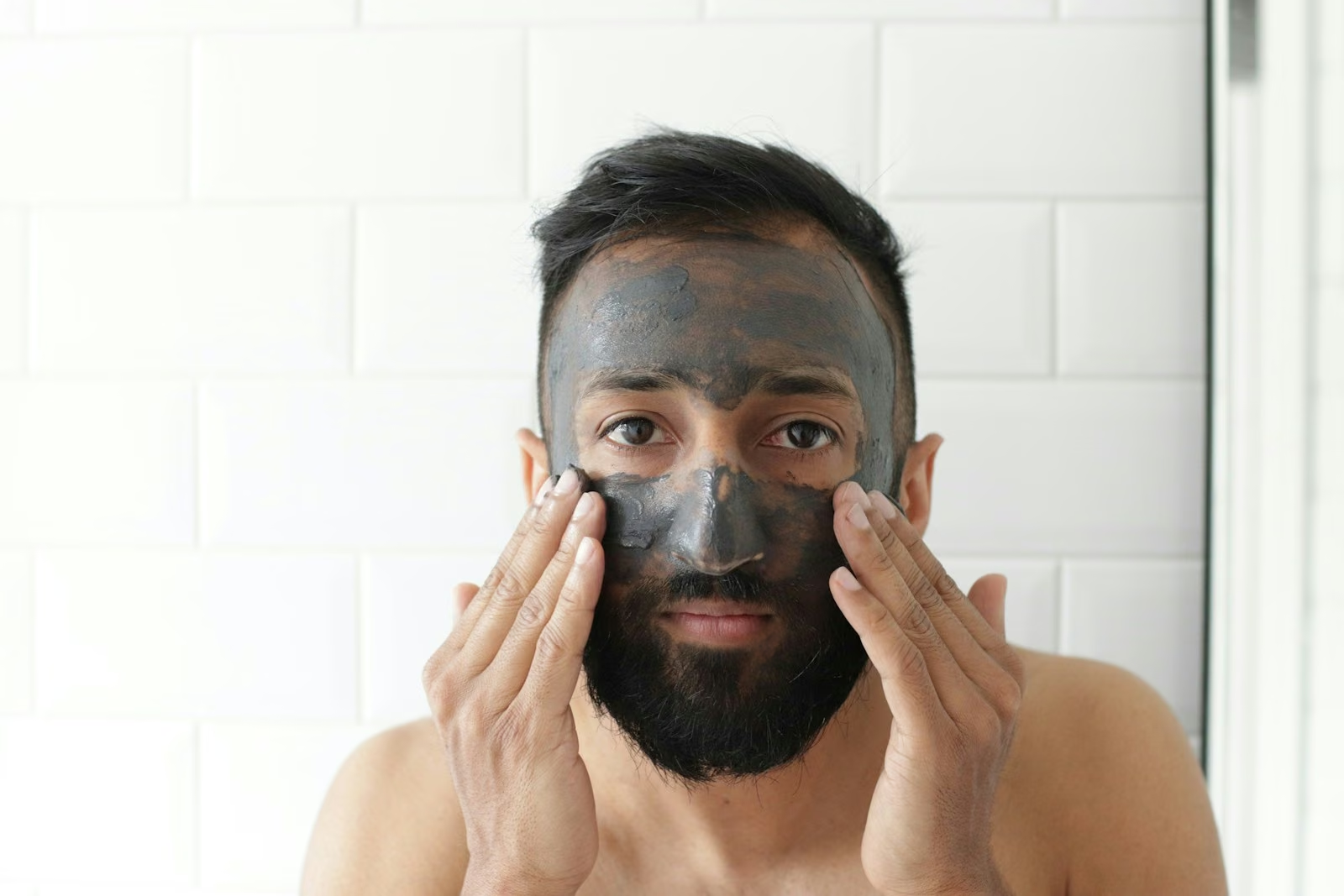
Hydrafacial Side Effects: What Is Normal and What Is Not
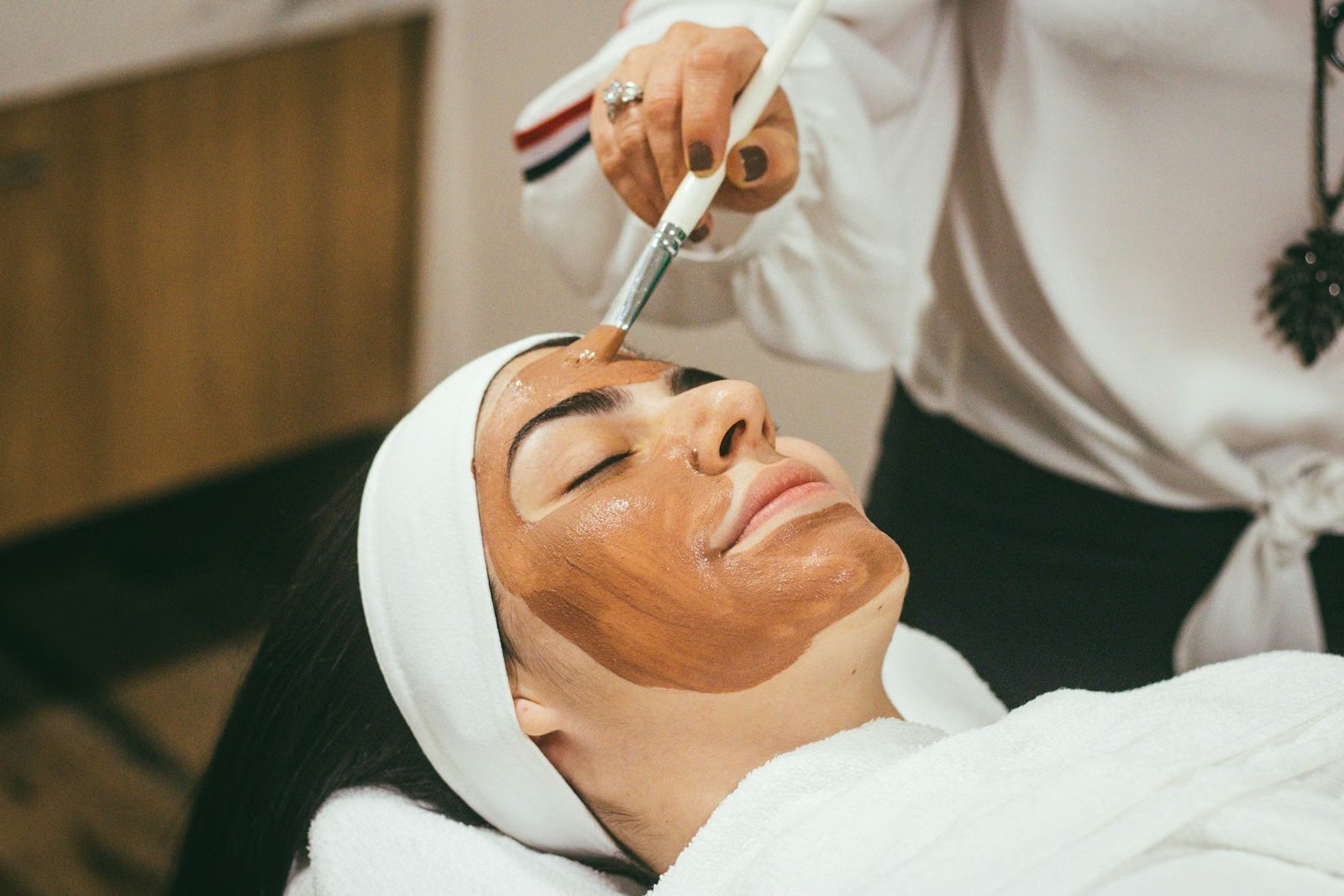
Hydrafacial side effects are usually mild and brief. Most people leave with skin that looks a little pink and feels warm or slightly tight, and within a few hours it has usually settled. Reactions beyond that are uncommon, but they do happen, usually because of an allergy to an ingredient, a skin condition that was flaring on the day, or skin that had recently been treated in another way.
This article explains why a Hydrafacial can leave skin pink, what is normal afterwards, the signs that are not, who should wait or speak up first, and the aftercare that keeps things calm.
What a Hydrafacial does to your skin
A Hydrafacial is a clinic facial done in stages. At Amber there are five: the skin is cleansed and read under good light, a gentle exfoliating pass is set to your tolerance, vortex suction clears congested pores, serums chosen for your concern are infused, and hydration and sun protection seal it in. The whole visit takes about an hour.
Exfoliation and suction both stimulate the skin, so a short-lived flush afterwards is expected, not a sign that something has gone wrong. Most Hydrafacial side effects come from these steps, and how much you notice depends on your skin, which steps were used and how congested your pores were.
Normal Hydrafacial side effects
- Redness and warmth. A pink flush, especially where extraction was done, that usually fades within a few hours.
- Tightness or mild sensitivity. Skin can feel tight, or tingle when you apply products, for the rest of the day.
- A few small spots. Occasionally, one or two small breakouts appear over the next few days, often where pores were congested. Leave them alone and they should settle.
There is minimal downtime, so most people go straight back to work or home. If you are planning around an event, leave a few days between the facial and the occasion, especially for a first session, when you do not yet know how your skin responds.
Signs that are not normal
Call the clinic if you notice any of these:
- itchy bumps, hives or a rash, especially if it spreads beyond the treated area;
- swelling of the face or eyelids;
- burning or stinging that persists or worsens rather than settling;
- blisters, crusting or weeping skin;
- signs of infection, such as spreading redness, warmth, pus or a fever;
- a cold sore appearing in the days after.
An allergic reaction to a serum or product ingredient is possible even with something you have used before without trouble. DermNet notes that allergic contact dermatitis often appears unexpectedly after the allergen was previously tolerated, and that dermatitis is nearly always itchy. Tell the clinic what you reacted to, so it can be avoided next time. If your lips, tongue or throat swell, or you feel short of breath, get emergency help straight away.
A REACTION AFTER YOUR FACIALIf your skin is doing something you did not expect, send us a message with a short description, and a photo if you can, and the clinic will advise on what to do next.
Who should wait, or tell the clinic first
A Hydrafacial suits most skin types, but some situations call for a pause or a change of plan. Tell the clinic before your appointment if any of these apply:
- A rosacea flare. DermNet advises people with rosacea to avoid exfoliants and lists cosmetic products among common triggers, so a flaring face is usually better left to settle first.
- Eczema, a rash or broken skin on the face. DermNet notes that inflamed skin has a weakened barrier and can flare further when exposed to irritants.
- Sunburn or a fresh tan. Wait until the skin has fully recovered.
- A cold sore, or the tingle that comes before one. The NHS notes that cold sores are contagious from the first tingle until fully healed and can spread to other parts of the body, so rebook.
- Isotretinoin, now or recently. The NHS advises against skin treatments such as microdermabrasion and chemical peels while taking it, so the doctor needs to know and will advise on timing.
- A recent peel, laser session or facial waxing. Freshly treated skin needs time to recover before it is exfoliated again.
- Pregnancy or breastfeeding. Tell the doctor, as some add-ons may be left out.
- Known allergies or very reactive skin. Mention any ingredient that has caused a reaction before. If you are unsure how reactive your skin is, our guide on how to identify your skin type is a useful start.
When add-ons change the picture
Some Hydrafacial options at Amber pair the facial with another treatment, and each brings its own effects. A version sequenced with a light medical peel can leave skin a little red and flaky for a day or two: DermNet notes that superficial peels usually cause mild redness, and occasionally swelling, that settle within forty-eight hours. Versions paired with laser toning or the carbon laser peel are planned when pigment or pores are part of the story, and the doctor explains what to expect from each before you agree to it.
Aftercare that keeps side effects low
- Cleanse gently and moisturise for the next day or two. Skip scrubs and exfoliating products until your skin feels normal again, and ask the clinic when to restart any prescription creams.
- Use sunscreen and stay out of strong sun for a few days, since freshly exfoliated skin is more vulnerable, and Lucknow’s sun is strong for much of the year.
- Leave any spots alone. DermNet warns that picking delays healing and can leave scars.
- Give your skin a few hours before makeup, and follow the aftercare explained at the end of your session.
- Space sessions as advised. The usual interval at Amber is four to six weeks, and our guide to how often to have a Hydrafacial explains why.
Questions people ask about Hydrafacial side effects
How long does redness last after a Hydrafacial?
Usually only a few hours. The pink flush comes from the exfoliating and suction steps and tends to fade by the evening, which is why the treatment has minimal downtime. Redness that lasts beyond a day, gets worse, or comes with itching, swelling or burning is not the usual pattern, so call the clinic.
Can a Hydrafacial cause breakouts?
Occasionally, one or two small spots appear in the days after, often where congested pores were extracted. They usually settle on their own if you leave them alone. Repeated or painful breakouts after facials are worth mentioning, because the doctor can adjust the serums, the steps or the plan, or check whether acne needs its own treatment.
Is a Hydrafacial suitable for sensitive skin?
Often, yes, with adjustments. The exfoliating pass is set to your tolerance, extraction is only used where pores are congested, and serums are chosen for your skin. Tell the clinic about any ingredient that has caused a reaction. If rosacea or eczema is flaring, it is better to let it settle before booking.
Can I have a Hydrafacial while pregnant?
Tell the doctor before booking. Many cosmetic treatments are left until after pregnancy, and with a Hydrafacial some add-ons may be left out. The doctor will advise what, if anything, is suitable for you at this stage, and the same conversation applies while you are breastfeeding.
How much does a Hydrafacial cost in Lucknow?
Amber quotes a Hydrafacial after the doctor’s assessment rather than publishing a figure, because the right option depends on your skin and what it needs, from the Signature facial to versions with a booster, LED or a light peel. The Hydrafacial price article explains what shapes it. Message the clinic on WhatsApp to start.
If you are weighing up a first session, read how the Hydrafacial at Amber in Gomti Nagar is planned, from the first read of your skin to the aftercare explained at the end. To mention a skin condition, an allergy or a recent treatment before you book, message the clinic on WhatsApp.
Sources
- Contact dermatitis, DermNet
- Rosacea, DermNet
- Cold sores, NHS
- Isotretinoin, a medicine for severe acne, NHS
- Chemical peels, DermNet
Considering this for yourself?
The honest answer for your skin comes from an assessment, not an article. Explore the treatment, or reserve an unhurried consultation with the doctor.