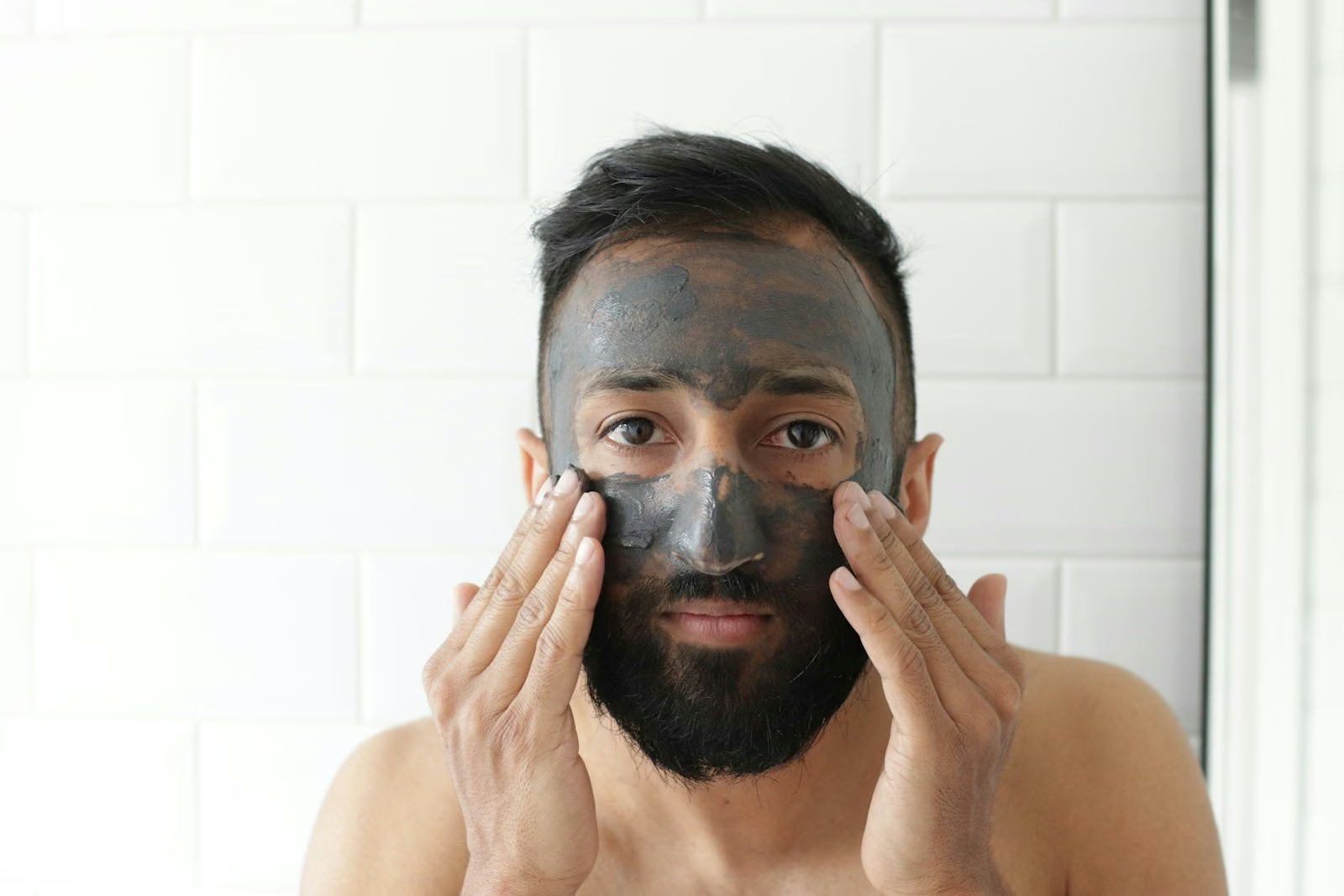
Dull Skin Treatment: Why Skin Looks Tired and What Helps

Dull skin is one of the most common reasons people ask about a facial, and one of the hardest to pin down. Skin looks flat, tired or slightly grey, even when nothing is obviously wrong. The right dull skin treatment depends on the cause, because dryness, a build-up of dead cells, a lingering tan and uneven pigment each need something different. In Lucknow, with strong sun for much of the year, tan is often part of the picture.
This article explains the usual causes, the home habits that make the most difference, the clinic options and how to choose between them, and the signs that dullness is worth checking with a doctor because it comes with feeling unwell.
Why skin starts to look dull
Bright-looking skin reflects light evenly. Anything that roughens the surface or breaks up the tone makes it look flatter. The usual reasons are:
- Build-up of dead cells. Skin constantly sheds its outer cells. When old cells linger, the surface feels rougher and catches the light less evenly.
- Dryness. Dry, flaky skin rarely looks bright, and DermNet notes that moisturisers help improve it.
- Sun and tan. The American Academy of Dermatology (AAD) warns that tanning ages skin early, and DermNet lists roughness, sallowness and uneven pigment among the signs of long-term sun damage.
- Uneven pigment. Dark patches, marks left after spots and a patchy tan break up an even tone.
- Smoking. The AAD says smoking speeds up how quickly skin ages.
- Short nights and stress. Poor sleep often shows on the face, and the AAD notes that stress can bring on flare-ups of skin conditions such as acne.
Often it is a mix, and skin that is a little dry, a little tanned and a little congested can look much duller than any one of those alone.
When dull skin comes with feeling unwell
Most dullness is a skin matter, but occasionally it points to something else. The NHS lists tiredness and lack of energy, shortness of breath, noticeable heartbeats, headaches and paler than usual skin among the symptoms of iron deficiency anaemia, which is often linked to heavy periods or pregnancy.
An underactive thyroid can cause extreme tiredness, feeling cold, weight gain, low mood and dry skin or hair, according to the NHS. If your skin looks dull and you also feel unwell, exhausted or unusually cold, see a doctor for a check-up and blood test before starting skin treatments. No facial can correct a low iron level.
Home habits that help
There is no shortcut to glowing skin, but the basics do most of the work, and they protect any clinic treatment you choose later.
- Cleanse gently. The AAD advises washing your face when you wake, before bed and after sweating, with a mild cleanser and your fingertips. Scrubbing irritates the skin.
- Exfoliate gently. A mild product with an alpha hydroxy acid, used as the label directs, helps clear old surface cells. DermNet notes that these acids, used regularly over time, reduce dryness and may help even out pigmentation.
- Moisturise. Lighter textures suit oily skin, and richer ones suit dry skin.
- Wear sunscreen daily. The AAD recommends a broad-spectrum, water-resistant sunscreen of SPF 30 or higher. Without it, tan and dark patches tend to return.
- Consider vitamin C. DermNet includes vitamin C among the creams that, used regularly over the long term, reduce dryness and may even out pigmentation.
Give a new routine several weeks before you judge it, and add one product at a time so you can tell what is helping.
NOT SURE WHAT IS BEHIND ITTell us how your skin looks and feels, and we will explain how the doctor works out the cause before suggesting anything.
Clinic options for dull skin treatment
When home care is in place and skin still looks tired, a clinic treatment can help if it matches the cause. At Amber, the doctor assesses your skin first, then suggests one route or a combination.
Hydrafacial suits dullness from surface build-up, congestion and dryness. Amber’s five-step protocol takes about an hour: cleansing, a gentle resurfacing pass, vortex extraction where pores are congested, serums chosen for your concern, and hydration sealed in, with aftercare explained. Downtime is minimal, and sessions are usually four to six weeks apart, as the guide on how often to have a Hydrafacial explains.
Light chemical peels help when roughness and uneven tone lead. DermNet explains that a peel removes layers of sun-damaged cells, leaving a more even surface and colour, and that lighter peels are used on darker skin because of the risk of pigment changes. Amber chooses depth conservatively for Indian skin, and a course of lighter peels usually does more than one strong one.
Laser toning is for when pigment is the real cause, such as patchy darkening or melasma. It uses a low-fluence laser with no peeling, usually over six to ten sessions two to four weeks apart. Melasma is managed this way, not cured, and sunscreen stays essential.
A Hydrafacial can also be paired with a light medical peel, or with laser toning when pigment is part of the story. Results vary and build over a course, and nobody can promise a particular result.
Who should wait before a clinic treatment
A treatment is not always the right next step. It is better to wait, or to speak to the doctor first, if:
- your skin is sunburnt or freshly tanned;
- you have an acne flare, an infection, broken skin or a cold sore on the face;
- your skin darkens easily after irritation, or you have melasma, both of which need a gentle plan;
- you are using a prescribed acne or pigment cream, which the doctor needs to know about;
- you are pregnant or breastfeeding, since many cosmetic treatments wait until afterwards;
- you feel unwell as well as looking tired, in which case a medical check comes first.
Sometimes the honest advice is to wait, or to do less. A few weeks of sunscreen, gentle cleansing and better sleep can change more than a treatment booked in a hurry.
Questions people ask about dull skin treatment
Can one facial fix dull skin?
A single session can help skin look fresher, but nobody can promise how long that lasts, because the cause usually remains. Dryness, sun and daily habits need ongoing attention. A steady home routine plus occasional clinic sessions, spaced as the doctor advises, usually does more than one treatment before an event.
Is a Hydrafacial or a chemical peel better for dull skin?
It depends on the cause. A Hydrafacial suits congestion, dryness and surface build-up, with minimal downtime. A light peel suits roughness and uneven tone, and Amber keeps peel depth conservative for Indian skin. The two can also be sequenced together. The doctor’s assessment of your skin decides which comes first.
Does vitamin C help dull skin?
It can be a useful part of a routine. DermNet lists vitamin C among the creams that, used regularly over the long term, reduce dryness and may even out pigmentation. It works alongside sunscreen, not instead of it. Stop any product that stings or reddens your skin, and ask for advice.
Can dull skin be a sign of a health problem?
Occasionally. The NHS lists paler than usual skin, tiredness and shortness of breath among the symptoms of iron deficiency anaemia, and dry skin, tiredness and feeling cold among those of an underactive thyroid. If dullness comes with feeling unwell, see a doctor for a blood test before trying skin treatments.
How much does a Hydrafacial cost in Lucknow?
Amber quotes after the doctor’s assessment rather than publishing a figure, because the right session depends on your skin and whether a booster, peel or laser toning is added. You see a written quote before anything is booked. The Hydrafacial price article explains what shapes it. Message the clinic on WhatsApp to start.
Dull skin treatment is most effective when it follows the cause, at home first and in the clinic if it is needed. To see how a session runs, read about Hydrafacial at Amber in Gomti Nagar, or the article on whether a chemical peel is good for your skin. To ask about your own skin, message the clinic on WhatsApp.
Sources
- 10 skin care secrets for healthier-looking skin, American Academy of Dermatology
- Skin ageing, DermNet
- Chemical peels, DermNet
- Iron deficiency anaemia, NHS
- Underactive thyroid, NHS
Considering this for yourself?
The honest answer for your skin comes from an assessment, not an article. Explore the treatment, or reserve an unhurried consultation with the doctor.