
Whiteheads and Blackheads: Causes, Removal and Prevention
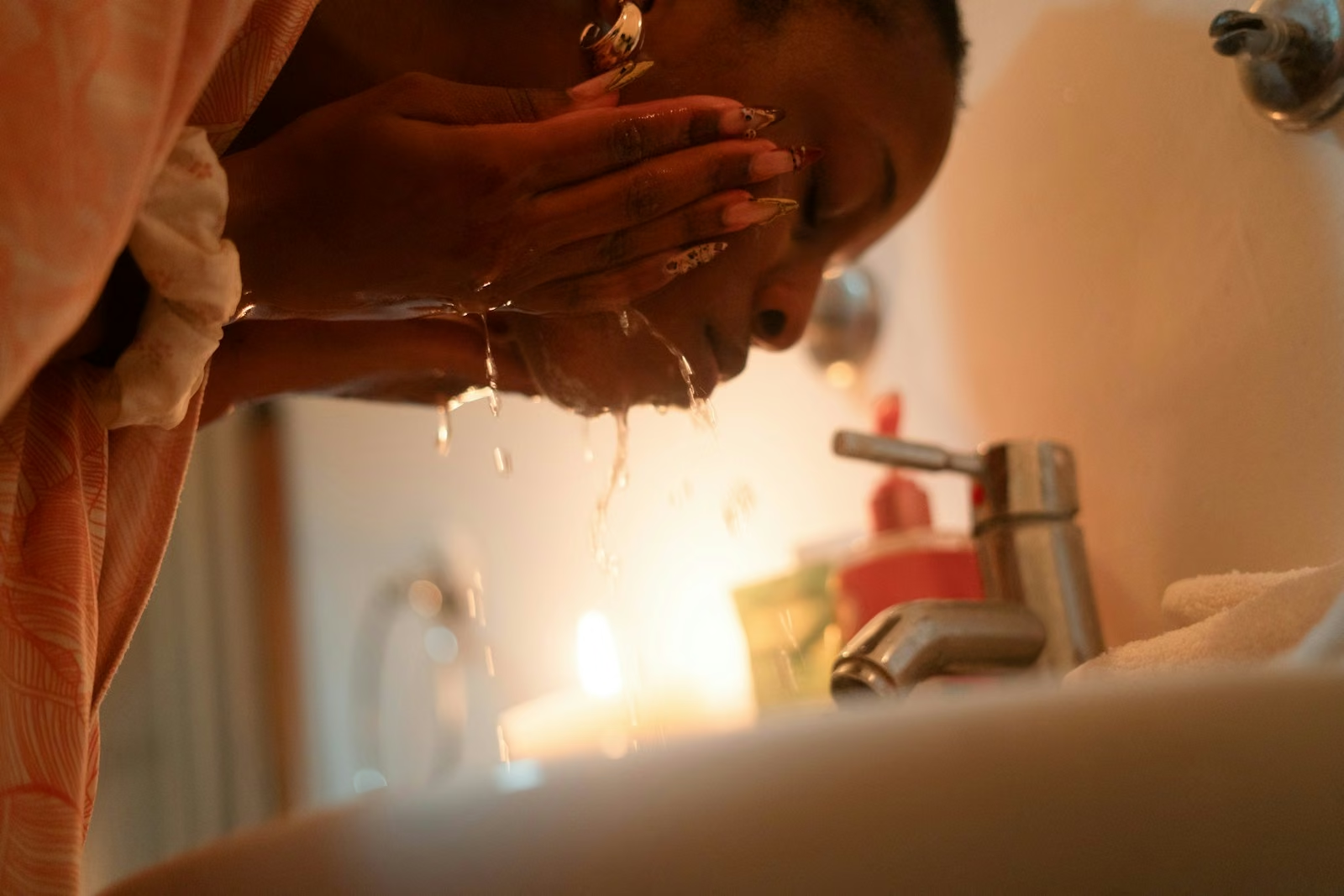
Whiteheads and blackheads are the most common spots there are, and also the most misunderstood. Both are clogged pores, known medically as comedones, and neither is caused by dirt. That matters, because scrubbing harder and squeezing tend to make them worse rather than better.
This article explains what they are, what makes them more likely, what helps at home, what a clinic can add, and when it is time to see a doctor.
What whiteheads and blackheads are
Both start the same way. The cells lining a pore build up while the skin makes more oil, and the mixture plugs the opening of a hair follicle. DermNet calls each plug a comedo. When the follicle is completely blocked, the plug sits under the skin as a small skin-coloured bump: a whitehead, or closed comedo. When the opening stays wider, the top of the plug shows as a dark dot: a blackhead, or open comedo.
That dark colour is not dirt. DermNet explains that it comes from pigment at the surface of the plug. This is why washing harder does not clear blackheads, and why it often irritates the skin around them.
When most of your spots are of this kind, DermNet calls it comedonal acne, and it most often affects the forehead and chin. Comedones can also become inflamed and turn into red spots or pus-filled pimples.
What makes comedones more likely
- Hormones. The NHS lists changes in hormone levels, such as during puberty, periods and pregnancy, among the causes of acne.
- Heavy or oily products. DermNet notes that oily hair products and some cosmetic ingredients can trigger comedones. The NHS advises choosing skincare and make-up labelled non-comedogenic, meaning it will not clog pores.
- Humidity and over-moisturised skin. DermNet lists skin that is overhydrated, from heavy moisturisers, humid weather or the days before a period, as a factor, which may be why some people notice more comedones in the monsoon months in Lucknow.
- Squeezing and scrubbing. DermNet counts injury to the follicle, from squeezing spots or abrasive washing, as a cause in its own right.
- Smoking. DermNet notes that comedonal acne is more common in smokers.
How to treat whiteheads and blackheads at home
The aim is to stop pores clogging and to loosen existing plugs gently. Comedones respond slowly, so choose a simple routine and give it time. The American Academy of Dermatology says it may take several weeks to a few months before you see a difference, and DermNet notes that treatment often needs to continue long term.
- Wash twice a day with a gentle cleanser and take make-up off at night, as the NHS advises. Do not scrub.
- Try salicylic acid. DermNet explains that it slows the shedding of cells inside the follicle, which helps prevent clogging, and helps break down existing whiteheads and blackheads.
- Benzoyl peroxide and azelaic acid are other options DermNet lists for comedones. Use one product at a time, as directed on the label, because layering several medicated products can irritate the skin.
- Retinoid creams and gels are also on DermNet’s list of treatments for comedones. They need a prescription, so this is something a doctor may prescribe if simpler products have not helped.
- Choose sunscreen, moisturiser and make-up labelled non-comedogenic or oil-free.
CONGESTED PORESIf blackheads keep coming back despite a good routine, send us a message. We will explain how the doctor assesses congested skin and what a clinic visit involves.
Why squeezing makes things worse
Pressing out a blackhead can feel satisfying, but the NHS advises against picking or squeezing spots because it can cause scars. The American Academy of Dermatology adds that squeezing makes acne take longer to clear and raises the risk of dark marks called post-inflammatory hyperpigmentation. On brown skin, the Academy notes, such marks can take many months to fade.
Fingernails, pins and home extraction tools are all squeezing by another name, and DermNet lists that kind of injury to the follicle as a cause of comedones. If a stubborn plug needs to come out, it is a job for trained hands, on skin that has been prepared for it.
What a clinic can add
When home care has had a fair trial and pores still feel congested, a professional extraction can clear existing plugs more safely than squeezing. In Amber’s Hydrafacial, extraction is one of five steps. The skin is cleansed and read under good light, gently exfoliated, and then congested pores are cleared with vortex extraction before targeted serums and hydration go in.
A light medical peel can help as well. Salicylic acid is a common choice for oily, congested skin because it works inside the pore, and the doctor chooses the type and depth of any peel conservatively for Indian skin. If you are curious how this differs from a beauty parlour clean-up, the guide to medifacials and salon facials explains it.
An extraction clears what is there today; it does not stop new comedones forming. That is why the routine at home matters most, and why any clinic visit is planned around it rather than instead of it.
When to see a doctor, and when to wait
Comedones on their own are not dangerous, but the NHS advises seeing a doctor if:
- you have tried treating acne yourself and it is not getting better;
- you have lots of spots, or spots that are deep, painful or leaving scars;
- there are signs of infection, such as hot, swollen and red skin;
- acne is affecting your mood or confidence.
Acne that appears suddenly in adulthood, particularly with irregular periods or new facial hair, also deserves a medical check, because a hormonal cause may need attention first.
Postpone any extraction or peel if the skin is sunburnt, broken or infected, or if acne is very inflamed. Tell the doctor about any acne medicine you use or have recently stopped, and if you are pregnant or breastfeeding, ask before starting an acne product; DermNet advises discussing salicylic acid with a doctor first.
Questions people ask about whiteheads and blackheads
Are blackheads caused by dirt?
No. A blackhead is a pore plugged with oil and skin cells, and DermNet explains that the dark colour comes from pigment at the surface of the plug, not from dirt. Washing more often or scrubbing harder will not clear blackheads, and it can irritate the skin and make acne worse.
Do whiteheads and blackheads count as acne?
Yes. Comedones are a type of acne spot, and DermNet describes acne where most spots are of this type as comedonal acne. They can stay as they are or become inflamed. If red, painful or deep spots appear alongside them, it is worth getting your skin assessed.
How long do whiteheads and blackheads take to clear?
Usually weeks rather than days. The American Academy of Dermatology says it may take several weeks to a few months to see a difference from a new treatment, so avoid switching products too often. DermNet notes that comedones tend to need ongoing care to keep them from returning.
Does a Hydrafacial remove blackheads?
The extraction step is designed to clear congested pores, so it can lift out existing blackheads gently without squeezing. It does not stop new ones forming, which depends on your routine at home. The doctor looks at your skin first and suggests an interval, usually four to six weeks, if repeat visits make sense.
How much does a Hydrafacial cost in Lucknow?
Amber quotes Hydrafacial after the doctor has assessed your skin rather than publishing a figure, because the right version and whether a peel is added depend on what your pores need. The Hydrafacial price article explains what shapes it. Message the clinic on WhatsApp to start.
If congested pores are your main concern, see how the doctor plans Hydrafacial at Amber in Gomti Nagar, or read about why acne sometimes does not settle. To ask about your skin first, message the clinic on WhatsApp.
Sources
- Comedonal acne, DermNet
- Acne, NHS
- Salicylic acid, DermNet
- Acne tips for managing, American Academy of Dermatology
- How to fade dark spots in darker skin tones, American Academy of Dermatology
Considering this for yourself?
The honest answer for your skin comes from an assessment, not an article. Explore the treatment, or reserve an unhurried consultation with the doctor.