How to Remove Tan from Face: Safe Home and Clinic Options
If you have been searching for how to remove tan from face, the honest answer is slower than most adverts suggest, but reassuring. A tan is extra pigment your skin made in response to sunlight, and it fades on its own as the outer layer renews, provided you stop adding to it. In Lucknow, where the sun is strong for most of the year, that last part is where the work lies.
Here is what a tan is, the home routine that helps it fade, the remedies to avoid, the clinic options for a stubborn tan, and when it is better to wait.
What a tan is, and why it fades
When ultraviolet light reaches the skin, pigment cells make more melanin, the substance that gives skin its colour, and the skin darkens. The NHS is clear that there is no safe or healthy way to tan, and that a tan does not protect your skin from the sun’s harmful effects.
Because skin replaces its outer cells all the time, pigment near the surface is gradually carried away. A light tan often fades over a few weeks once the skin is protected. A deeper one takes longer, and every unprotected afternoon tops it up.
Indian skin tans readily, and irritation of any kind can leave darker marks. The aim is your own natural skin tone, not a lighter one.
How to remove tan from face at home
The home routine is simple, and it does most of the work.
- Sunscreen every morning. The American Academy of Dermatology advises a broad-spectrum SPF 30 or higher on all skin that clothing will not cover. For brown skin it suggests a tinted one with iron oxide, which also blocks visible light that can darken skin.
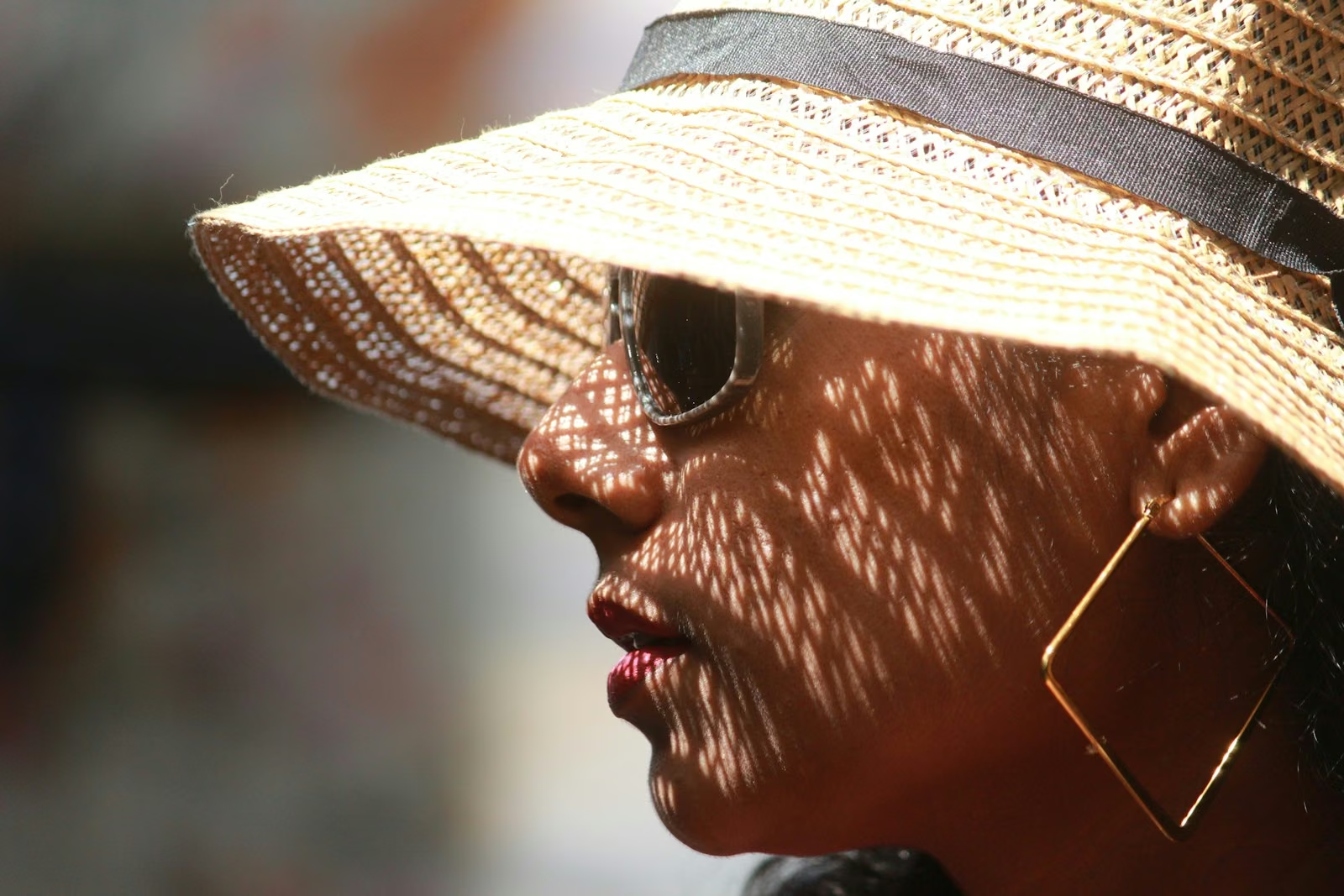
- Reapply every two hours outdoors and after sweating, as the NHS advises. A wide-brimmed hat or a dupatta adds real protection.
- Wash gently and moisturise. Scrubbing harder does not lift pigment faster.
- Add one fading ingredient if needed. The AAD lists azelaic acid, glycolic acid, kojic acid, retinol and vitamin C among ingredients that can fade darkening in brown skin. Start one at a time, and stop anything that burns or stings.
Glycolic acid and retinol also make skin more sensitive to the sun, so they only help alongside sunscreen. Judge progress over weeks, not days.
What not to put on a tanned face
Search for how to remove tan from face quickly and you will find lemon juice, rough scrubs, bleach and fast fairness creams. On Indian skin, most of these do more harm than good.
- Lemon juice and rough scrubs irritate the skin. DermNet notes that darkening after inflammation is more common in darker skin, where it tends to be more intense and last longer, so the marks can outlast the tan.
- Bleach. The AAD warns that liquid bleach should never be applied to the skin, and bleaching creams can sting and irritate.
- Creams of unknown origin. The AAD reports that researchers have found steroids or mercury, not listed on the label, in some imported skin care products. Hidden steroids used for long periods can leave skin thin and permanently discoloured.
NOT SURE IT IS JUST TANTell us how long the darkening has been there and what you have tried. We will explain how the doctor assesses it.
Clinic options for a tan that will not fade
If the tan is still there after a couple of months of protection, a doctor can help it along. Tan usually responds faster than melasma, and sunscreen stays part of every plan. At Amber, the doctor may suggest one of these.
- Light chemical peels loosen the outer layer so tanned cells shed sooner. Depth is chosen conservatively for Indian skin, and a course of lighter peels usually does more good than one strong one. Amber uses mesoestetic peels.
- Hydrafacial combines cleansing, gentle resurfacing and serums chosen for the concern, sometimes with a light peel, and has minimal downtime. The carbon facial and Hydrafacial comparison explains how it differs from the next option.
- Carbon laser peel applies a thin carbon layer, then a laser pass, to brighten dull skin and improve the look of pores.
- Laser toning suits tan that has settled into stubborn, uneven pigment. Laser toning uses a low-energy laser over six to ten sessions, two to four weeks apart, with no peeling.
DermNet notes that peels and lasers can help pigment near the surface but can worsen it if they injure the skin. That is why the doctor assesses first, starts gently and sometimes advises waiting, or doing less.
Is it tan, or something else?
Not every dark patch on the face is a tan, and the difference changes the plan.
- Tan is an even darkening where the sun reaches, often with a line where sunglasses or a collar sat.
- Melasma shows as brown or greyish brown patches on the cheeks, forehead, chin or upper lip. The AAD notes it often appears in pregnancy or with birth control pills and looks worse in summer. It is managed, not cured, and needs its own plan.
- Marks after acne or a rash fade best once the cause is treated.
Any spot that is new, growing, bleeding, itching or changing in shape or colour is not tan. Show it to a doctor first.
When to wait, and when to see a doctor first
Sunburn is not tan, and it needs soothing rather than treatment. The NHS advises getting out of the sun, cooling the skin with a cool shower or damp towel, using aftersun or an unperfumed moisturiser, drinking plenty of water and keeping the skin covered until it heals. Do not pop blisters or pick at peeling skin. On brown skin, sunburn may show as heat and soreness rather than redness.
Get urgent medical advice if burnt skin blisters or swells, or you feel feverish, dizzy or sick. Postpone a peel, a laser session or a new active product if:
- the skin is sunburnt, broken or peeling;
- you have an acne flare, eczema, a rash or a cold sore on the face;
- you have recently started a medicine that makes skin more sensitive to light;
- you are pregnant or breastfeeding: tell the doctor, as many cosmetic treatments wait until afterwards.
Questions people ask about removing tan from the face
How long does it take for tan to fade from the face?
A light tan often fades over a few weeks once the skin is protected every day, as the outer layer renews. A deep tan built up over a summer can take a couple of months or more. Fresh sun restarts the process, so daily sunscreen matters more than any product you add.
Can you remove tan from your face in a day?
Not truly. A facial or a light clinic treatment can make skin look brighter within a day, but the pigment itself fades as the skin renews over weeks. Be wary of anything promising overnight results, especially creams of unknown origin, which may contain hidden steroids.
Does sunscreen remove tan, or only prevent it?
Sunscreen does not wipe a tan away, but it stops the skin making fresh pigment, which lets the existing tan fade. The AAD notes that daily sunscreen helps prevent new dark spots and clear existing ones. Choose a broad-spectrum SPF 30 or higher and reapply every two hours outdoors.
How much does tan removal cost in Lucknow?
Amber quotes tan removal after the doctor’s assessment rather than publishing a figure, because the plan depends on how deep the tan is and which treatment suits your skin. The tan removal cost article explains what shapes it. Message the clinic on WhatsApp to start.
Will the tan come back after treatment?
It can. A tan is a fresh response to each spell of sun, so treatment helps clear what is there but cannot stop new pigment forming. Daily sunscreen, a hat or dupatta outdoors and avoiding the strongest midday sun protect the result, however the tan was faded.
If you are still working out how to remove tan from face safely, start with the home routine above. If the tan will not shift, read about chemical peels at Amber in Gomti Nagar, or whether a chemical peel is good for your skin, and message the clinic on WhatsApp with your questions.
Sources
- How to fade dark spots in darker skin tones, American Academy of Dermatology
- Sunscreen and sun safety, NHS
- Sunburn, NHS
- Postinflammatory hyperpigmentation, DermNet
- Melasma overview, American Academy of Dermatology
Considering this for yourself?
The honest answer for your skin comes from an assessment, not an article. Explore the treatment, or reserve an unhurried consultation with the doctor.