Cosmelan Peel Day by Day: An Honest 5-Stage Recovery Guide
If you are reading about the Cosmelan peel day by day, you are probably considering it for stubborn melasma and want to know what recovery is really like. This guide follows the five stages most people go through, from the mask you leave the clinic wearing to the home cream phase, plus the signs that mean you should call the doctor.
Treat it as a map, not a timetable: mask time, how much the skin peels and how quickly it settles vary from face to face, and the timings that matter are the ones the doctor gives you. For the method itself, read how a Cosmelan peel works, step by step.
Before day one: why timings vary
Cosmelan comes in two parts: a mask applied in the clinic, then a home-care phase with a cream the clinic gives you. The doctor sets the mask time for your particular skin, which is why any account of the Cosmelan peel day by day can describe stages but not fixed dates.
Preparation counts too. The American Academy of Dermatology (AAD) notes that some people need a few weeks of pre-peel skin care, which can improve results and reduce side effects, and DermNet adds that darker skin gets lighter peels to limit pigment marks. Tell the doctor about all your skin products and medicines.
Cosmelan peel day by day: the five stages
Here is the usual order of events. Where the doctor’s timings differ, follow the doctor.
Stage one: mask day
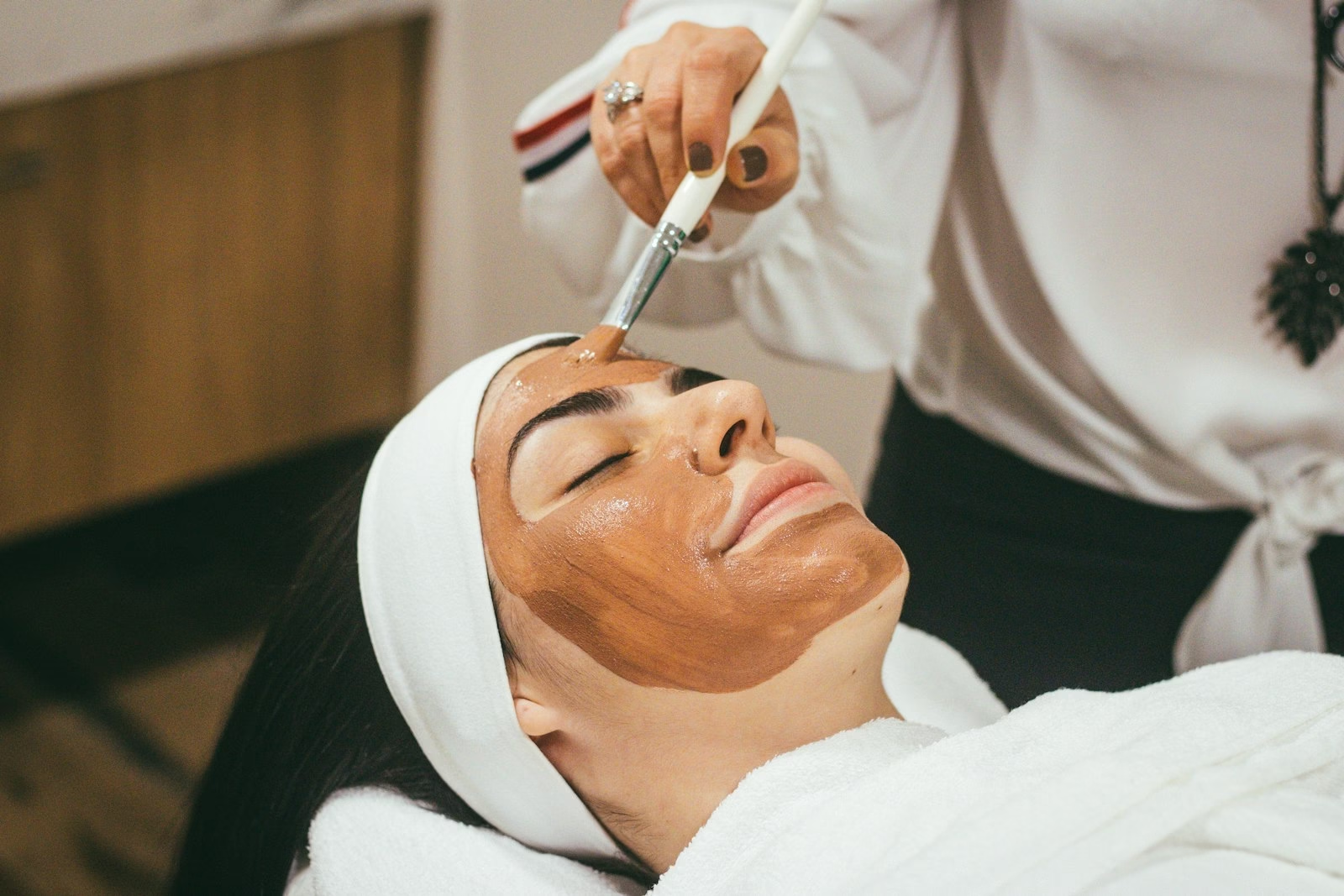
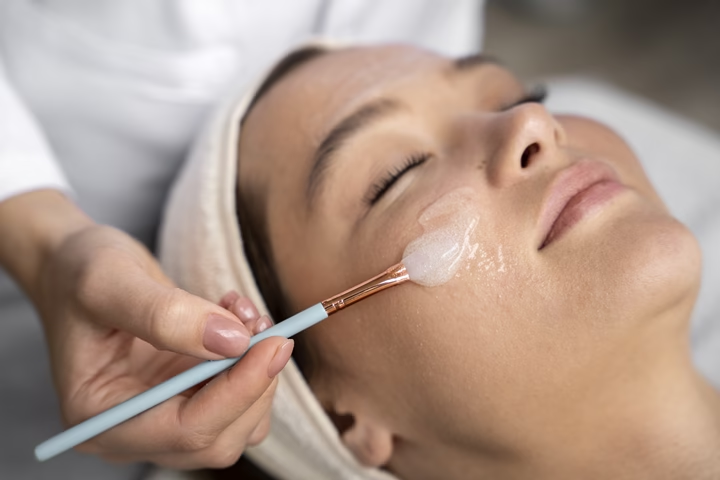
After the doctor has assessed your skin, the mask is applied in the clinic and you go home wearing it. You wash it off at the time the doctor sets, so set an alarm and follow the removal instructions you were given. Keep the day quiet, indoors and out of the sun and heat.
Stage two: the first days of redness and tightness
Once the mask is off, redness and a tight, dry feeling are expected in the first days. Keep the skin cool, cleanse gently and use the moisturiser the doctor recommends, as directed; the AAD warns that peeled skin which dries and cracks can scar.
Stage three: the peeling days
Next the skin flakes and peels, which DermNet likens to peeling after sunburn. Do not pick, pull or scratch: DermNet warns that picking delays healing and causes scarring, and the AAD notes that rubbing or scratching treated skin can cause infection.
Let the flakes come away on their own and keep moisturising. Leave make-up off until the doctor says the skin has healed, as make-up on unhealed skin raises the risk of infection and scarring. Hold off on scrubs, waxing, threading and active products for now.
Stage four: back to your routine
As the peeling settles, the tightness eases and the redness usually fades. The doctor will tell you when make-up and your usual products can return; bring them back one at a time, so that if something stings, you know which to drop. From now on, the AAD advises daily sunscreen on healed skin to help maintain results.
Stage five: the home cream phase
DermNet describes a peel as a process that ends with a maintenance phase, and with Cosmelan that is the home phase. You use the clinic’s cream on the schedule the doctor gives you, for as long as the doctor advises, and ask before stopping, skipping or adding anything. Improvement shows gradually as the patches lighten, and it varies from person to person.
PLANNING AROUND A DATEIf work, travel or a family function is coming up, send us your dates and a daylight photo of your skin, and we will explain how the doctor plans timing at a consultation.
Sun, heat and keeping melasma in check
Melasma is managed, not cured. DermNet notes that pigmentation may return with summer sun even after a good result, and that both ultraviolet and visible light drive pigment production. Heat and hormonal changes can bring it back too, so sun protection continues long after the peeling.
The AAD suggests a broad-spectrum sunscreen through the day, a wide-brimmed hat and shade, and says dermatologists often recommend sunscreens with zinc oxide, titanium dioxide or iron oxide; a tinted one avoids a white cast. In Lucknow, that means planning the peel away from a summer holiday or an outdoor wedding function.
When to call the doctor during recovery
Some redness, tightness and peeling is expected. The AAD advises contacting your doctor if the skin burns, itches or swells after a peel. Call the clinic promptly, too, for spreading redness, pain, oozing, yellow crusts, blisters, cold sores or a fever, because peeled skin can become infected.
Also get in touch if patches darken after healing or redness lingers. The AAD notes both are possible after peels, and DermNet advises reporting problems promptly, since complications are easier to deal with early than late.
Who should wait before starting
If you are pregnant, trying to conceive or breastfeeding, tell the doctor first; many cosmetic treatments wait until afterwards, and DermNet notes that pregnancy can itself trigger melasma. Wait, too, with an active skin infection, a cold sore, broken skin, or eczema or rosacea in a flare, which need a doctor’s attention first.
DermNet also cautions that peels carry a risk of worsening melasma or leaving new marks, and sun on healing skin adds to it. If you cannot commit to daily sunscreen and the home phase, a gentler route may suit you better for now.
How Amber plans a Cosmelan treatment
At Amber, peel depth is chosen conservatively for Indian skin and a course of lighter peels usually beats one strong one, so Cosmelan is kept for stubborn melasma. Dr Naznin Holia assesses your pigmentation first and, if Cosmelan suits it, explains your Cosmelan peel day by day, including the mask time and the home phase.
The quote is written down at consultation, nothing is booked before you have seen it, and no packages are pushed. Sometimes the advice is to wait, or to do less.
Questions people ask about Cosmelan recovery
Can I go to work after a Cosmelan peel?
That depends on your work and how you feel about visible redness and peeling. Some people prefer to spend the first days quietly at home. If your job keeps you outdoors, tell the doctor before booking, since sun on healing skin can work against the result and the timing may need to change.
How much does a Cosmelan peel cost in Lucknow?
It depends on your pigmentation, your skin and whether Cosmelan is combined with other care, so Amber quotes it after the doctor’s assessment rather than publishing a figure. The chemical peel cost guide explains how peels are priced. Message the clinic on WhatsApp to start.
Is it normal for my skin to look darker after the peel?
It can happen. The American Academy of Dermatology lists temporary darkening among possible side effects of chemical peels. Rather than reaching for scrubs or extra lightening products, protect the skin from the sun and tell the doctor, who can check whether it is part of healing or needs attention.
Can I wash my face during the peeling days?
Yes, gently, unless the doctor has told you otherwise. Use lukewarm water and the mild cleanser you were advised, pat dry rather than rubbing, and moisturise straight after. Avoid scrubs, cleansing brushes and hot water, and leave loose skin alone, since picking and rubbing can lead to scarring or infection.
When will I see results from Cosmelan?
Improvement builds gradually over weeks and months as the patches lighten, and it varies from person to person. DermNet notes that melasma is slow to respond, especially if it has been present for a long time. The home phase and daily sunscreen protect what you gain, though nobody can promise a particular result.
When you are ready to talk about your own patches, explore chemical peels at Amber in Gomti Nagar, where the doctor looks at your skin before suggesting anything. If you have questions first, message the clinic on WhatsApp.
Sources
- Chemical peels (face peels), DermNet
- Chemical peels: FAQs, American Academy of Dermatology
- Melasma (facial pigmentation), DermNet
- Melasma: Diagnosis and treatment, American Academy of Dermatology
Considering this for yourself?
The honest answer for your skin comes from an assessment, not an article. Explore the treatment, or reserve an unhurried consultation with the doctor.